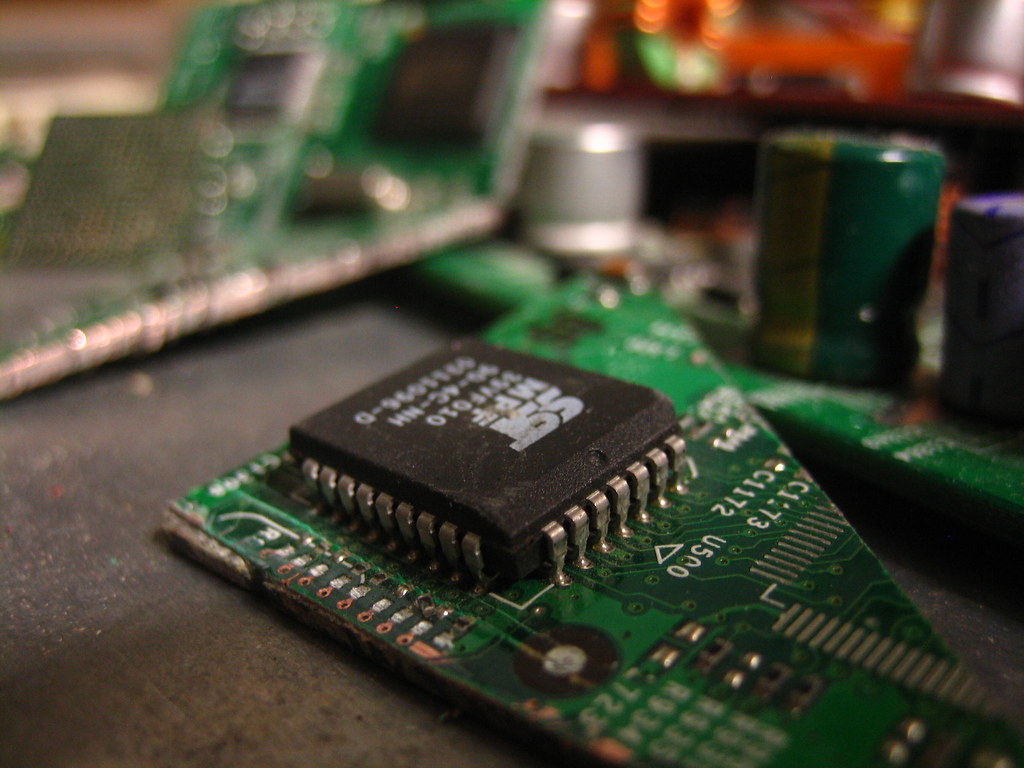
Micro-GPU technology is making waves in the tech community, thanks to IIT Delhi’s groundbreaking development. This innovation promises to enhance computing efficiency significantly.
What is a micro-GPU?
Micro-GPU technology represents a significant advancement in the realm of graphics processing units, specifically designed to cater to the demands of compact and efficient computing. Unlike traditional GPUs, which are often bulky and power-hungry, micro-GPUs prioritize minimalism and energy efficiency while delivering impressive performance.
At its core, a micro-GPU is a smaller variant of the standard GPU, engineered to perform similar tasks but at a reduced size and energy footprint. This innovative technology enables devices to handle complex graphics processing without compromising on space or battery life, making it ideal for mobile and embedded systems.
The development of India’s first working micro-GPU by IIT Delhi marks a milestone in the country’s technological landscape. This breakthrough holds promise for various applications, including:
- Mobile Devices: Enhancing graphics rendering in smartphones and tablets.
- Wearable Technology: Improving the performance of smartwatches and fitness trackers.
- Embedded Systems: Enabling advanced graphics in IoT devices and automotive technology.
With a focus on optimizing performance while minimizing power consumption, micro-GPU technology could redefine how graphics are processed in future devices. As India continues to advance in semiconductor technology, the implications of this innovation may extend far beyond national borders.
How does micro-GPU technology work?
Micro-GPU technology represents a significant advancement in the field of computing, particularly in how graphics processing is handled. At its core, a micro-GPU is a compact graphics processing unit designed to perform complex computations while consuming minimal power and space. This innovation can be attributed to advancements in semiconductor technology, which have allowed for a denser arrangement of transistors.
The operation of micro-GPU technology hinges on parallel processing capabilities, which enable the execution of multiple tasks simultaneously. This is achieved through a massive number of small cores, each capable of handling specific calculations independently. The architecture is designed to efficiently manage data flow, optimizing performance for applications ranging from gaming to artificial intelligence.
Furthermore, micro-GPUs are engineered to integrate seamlessly into various devices, including smartphones, tablets, and even IoT devices. This versatility ensures that they can deliver high performance without the need for extensive power resources, making them ideal for use in regions with limited energy availability.
Some key features of micro-GPU technology include:
- Energy Efficiency: They consume significantly less power compared to traditional GPUs.
- Compact Size: Their small form factor allows for integration into portable devices.
- Enhanced Performance: Capable of executing complex graphics and computations rapidly.
As industries continue to evolve, the role of micro-GPU technology is poised to expand, potentially transforming various sectors in India.
Benefits of micro-GPU technology
Micro-GPU technology offers numerous benefits that could revolutionize various sectors in India. As a compact and energy-efficient alternative to traditional GPUs, micro-GPUs are designed to deliver high-performance computing capabilities while consuming significantly less power. This efficiency makes them ideal for use in devices where space and energy are limited, such as in mobile phones, wearables, and IoT devices.
Some key benefits of micro-GPU technology include:
- Cost-Effectiveness: By reducing energy consumption, micro-GPUs can lower operating costs for businesses and consumers alike. This affordability can encourage wider adoption across various industries.
- Enhanced Performance: Micro-GPUs provide superior processing power, enabling complex tasks such as real-time data analysis, machine learning applications, and high-definition graphics rendering.
- Compact Design: Their small form factor allows for integration into smaller devices, promoting innovation in product design and functionality.
- Environmental Impact: With reduced energy requirements, micro-GPU technology contributes to sustainability efforts by minimizing carbon footprints associated with electronic devices.
- Support for AI and ML: Micro-GPUs are particularly well-suited for artificial intelligence and machine learning tasks, facilitating advancements in these rapidly growing fields.
Overall, the integration of micro-GPU technology in India could lead to significant advancements in technology and innovation, positioning the country as a leader in the global tech landscape.
Comparing micro-GPU to traditional GPUs
As micro-GPU technology emerges in the tech landscape, comparisons with traditional GPUs become inevitable. While traditional GPUs have been the backbone of graphics rendering and complex computations, they often require substantial power and space. In contrast, micro-GPUs are designed to be more efficient and compact, making them ideal for a variety of applications.
One of the significant differences lies in their architecture. Traditional GPUs typically consist of a large number of cores designed for parallel processing, which can handle complex tasks but may lead to increased energy consumption. Micro-GPU technology, however, employs a streamlined design that focuses on optimizing performance while minimizing power usage. This makes micro-GPUs suitable for mobile devices and other battery-operated gadgets.
Moreover, traditional GPUs often demand intricate cooling systems due to their heat generation during high-performance tasks. Micro-GPUs, with their reduced thermal output, can function effectively without the need for extensive cooling, thus simplifying device designs.
In terms of cost, micro-GPU technology can also provide a more economical solution. The smaller physical size reduces manufacturing costs, which can translate to lower prices for consumers.
In summary, while traditional GPUs remain powerful tools in computing, the rise of micro-GPU technology offers promising advantages that could redefine the future of graphics processing, especially in a country like India that is rapidly embracing technological advancements.
Future of micro-GPU in India
The future of micro-GPU technology in India appears promising, especially following the recent advancements made by institutions like IIT Delhi. As the demand for more efficient computing solutions continues to rise, micro-GPUs are positioned to play a crucial role in various sectors.
With their compact size and reduced power consumption, micro-GPUs can be integrated into a wide range of devices, from mobile phones to IoT devices. This adaptability could lead to a significant increase in their adoption across industries. As companies and researchers explore the potential of micro-GPU technology, we may see innovations that enhance performance while minimizing energy usage.
Moreover, the Indian government’s push towards self-reliance in technology, particularly in the semiconductor sector, may further fuel the development of micro-GPUs. By investing in local research and manufacturing, India could establish itself as a hub for advanced micro-GPU technology, reducing dependency on foreign imports.
In addition, as more educational institutions and startups embrace micro-GPU research, we can expect a wave of new applications and solutions that leverage this technology. Fields such as artificial intelligence, machine learning, and augmented reality stand to benefit immensely, potentially leading to breakthroughs that could shape the future of computing.
In summary, the trajectory of micro-GPU technology in India is set for growth, driven by innovation, local demand, and supportive policies.
IIT Delhi’s role in tech advancements
Indian Institute of Technology (IIT) Delhi has emerged as a pioneer in the field of micro-GPU technology, marking a significant milestone in India’s technological advancements. The institute has successfully developed the country’s first functional micro-GPU, a feat that is set to revolutionize various applications in computing.
This innovative technology enables powerful graphics processing in a compact form factor, which is particularly beneficial for mobile devices, IoT applications, and edge computing. IIT Delhi’s research team has worked meticulously to ensure that the micro-GPU not only meets performance benchmarks but does so while consuming minimal power, thereby enhancing energy efficiency.
The implications of this development extend beyond academic curiosity. It positions India at the forefront of global tech innovation, enabling local startups and businesses to harness advanced graphics processing capabilities without relying solely on imported technologies. The micro-GPU technology is expected to spur growth in sectors such as gaming, augmented reality, and artificial intelligence, where graphics performance is crucial.
Moreover, IIT Delhi’s collaboration with industry leaders and government entities reflects a concerted effort to foster an ecosystem that promotes research and development. By focusing on cutting-edge technologies like micro-GPU, IIT Delhi is not only contributing to the academic landscape but also playing a crucial role in shaping the future of India’s tech industry.
By qubodup via Openverse
References
- Houthi missiles intercepted: Is it the best time for oil?
- Alaska Senate candidate Mary Peltola: Honest Defense from GOP
- LAX People Mover Delay: Worst News for Travelers Now
About the Author


2 thoughts on “Micro-GPU technology: Is it the best innovation in India?”