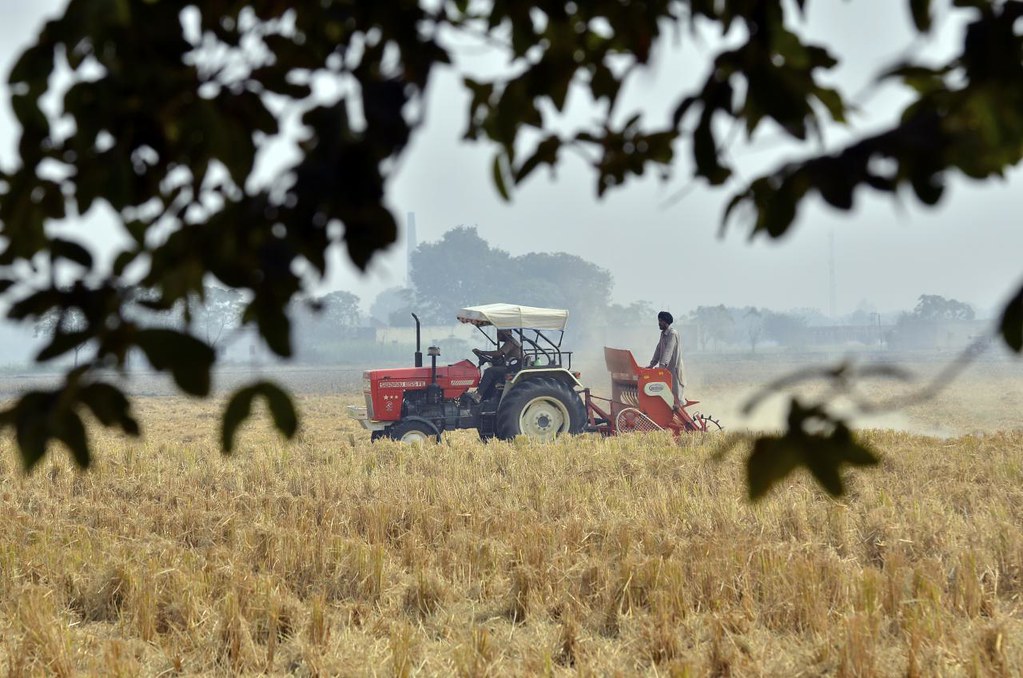
Punjab stubble burning is at the forefront of the air quality crisis in Delhi, with Sirsa directly blaming Kejriwal for the worsening situation.
Understanding the Stubble Burning Crisis
The stubble burning crisis in Punjab has become a significant environmental concern, particularly as air quality in neighboring regions deteriorates. Each year, farmers in Punjab engage in this practice to clear fields quickly after the harvest, resulting in a massive release of smoke and pollutants into the atmosphere.
As the winter months approach, the implications of Punjab stubble burning are felt most acutely in urban areas, especially Delhi, where air quality often reaches hazardous levels. Many officials and environmentalists argue that the situation is exacerbated by inadequate policies and support systems for farmers.
Recent statements from political figures have placed blame on local governance, with accusations directed at leaders like Arvind Kejriwal. Critics suggest that a lack of efficient alternatives to stubble burning has left farmers with few choices.
To truly address the stubble burning crisis, a comprehensive approach must be taken, including:
- Incentives for farmers to adopt eco-friendly practices
- Investment in technology for better crop management
- Collaboration between state and central governments
Only through collective efforts can the cycle of pollution and poor air quality be broken.
Impact on Delhi’s Air Quality
The ongoing issue of Punjab stubble burning has significantly impacted Delhi’s air quality, raising concerns among residents and environmentalists alike. With the onset of winter, the situation has exacerbated, as smoke from the burning fields in Punjab drifts into the national capital, leading to hazardous air conditions.
Recent reports indicate that air quality levels in Delhi have plummeted, with the city frequently recording dangerously high levels of particulate matter. This deterioration has been linked directly to the seasonal practice of stubble burning in Punjab, where farmers burn crop residue in preparation for the next planting season.
Residents are now facing serious health risks, including respiratory issues and other related ailments. The Delhi government, led by Chief Minister Arvind Kejriwal, has come under fire for its handling of the crisis. Critics argue that the administration must take stronger measures to address the pollution and hold Punjab accountable for its stubble burning practices.
- Worsening air quality levels.
- Increased health risks for residents.
- Calls for stronger governmental action.
Political Blame Game: Sirsa vs. Kejriwal
The recent deterioration of air quality in Delhi has ignited a fierce political blame game, particularly between Haryana’s Deputy Chief Minister, Dushyant Chautala, and Delhi Chief Minister, Arvind Kejriwal. Chautala has accused Kejriwal of failing to address the issue of Punjab stubble burning, which has significantly contributed to the region’s pollution levels.
In a press conference, Chautala stated, “The onus is now on Punjab to take actionable steps against stubble burning. Delhi’s air quality is suffering because of decisions made by the Kejriwal government.” This assertion reflects widespread frustration among Haryana officials regarding the lack of effective measures to tackle the agricultural practice that exacerbates air pollution.
Meanwhile, Kejriwal has countered these claims by pointing out that the problem is not solely confined to Punjab and emphasized the need for collaborative efforts to combat the crisis. “We must work together to find solutions rather than point fingers,” he remarked.
The ongoing verbal sparring highlights the complexities of addressing air quality issues amid political rivalries.
Health Risks Associated with Poor Air Quality
The worsening air quality in Delhi, largely attributed to Punjab stubble burning, poses significant health risks to residents. Experts emphasize that exposure to high levels of air pollution can lead to severe respiratory issues and other health complications.
Some of the major health risks associated with poor air quality include:
- Respiratory Diseases: Individuals may experience increased rates of asthma, bronchitis, and other chronic respiratory conditions.
- Cardiovascular Problems: Air pollution can exacerbate heart diseases, leading to higher incidents of heart attacks and strokes.
- Neurological Effects: Long-term exposure to polluted air may affect cognitive functions and lead to mental health disorders.
- Vulnerable Populations: Children, the elderly, and those with pre-existing health conditions are particularly at risk.
As the situation in Delhi worsens, health officials urge immediate action to combat the effects of Punjab stubble burning. Public awareness campaigns and government intervention are deemed crucial in addressing this pressing issue.
Government Responses to Stubble Burning
The ongoing issue of Punjab stubble burning has prompted various government responses aimed at addressing the worsening air quality in the region. Local authorities have launched initiatives to educate farmers about alternative methods of crop residue management. These efforts are intended to reduce the reliance on stubble burning, which significantly contributes to air pollution.
Additionally, the Punjab government has proposed financial incentives for farmers who adopt eco-friendly practices. Chief Minister Bhagwant Mann emphasized the need for collaboration between state and central governments to tackle the crisis more effectively.
Despite these efforts, critics argue that more decisive action is necessary. Some officials believe that the lack of enforcement regarding environmental regulations has hindered progress. In response to rising tensions, the government is also considering stricter penalties for those who persist in the practice of stubble burning.
As the debate continues, the focus remains on finding sustainable solutions to mitigate the impact of stubble burning on air quality, particularly in urban areas like Delhi, which are heavily affected by the pollution.
Future Solutions for Air Quality Improvement
As the issue of Punjab stubble burning continues to impact air quality across northern India, experts emphasize the need for sustainable solutions to mitigate this ongoing crisis. In light of recent air quality deterioration, several strategies have been proposed to address the problem effectively.
- Improved Agricultural Practices: Encouraging farmers to adopt alternative methods such as direct seeding or zero tillage can significantly reduce reliance on burning stubble.
- Financial Incentives: The government can offer subsidies or financial support to farmers who utilize eco-friendly practices, making it economically viable to avoid stubble burning.
- Awareness Campaigns: Educating farmers about the environmental and health impacts of stubble burning is crucial. Community workshops could help shift traditional practices.
- Technology Adoption: Investing in machinery that facilitates the quick decomposition of stubble can help farmers manage crop residue without resorting to burning.
Ultimately, a collaborative effort between government bodies, farmers, and environmental organizations is essential to curb Punjab stubble burning and improve air quality for all.
The recent surge in pollution levels has led to widespread criticism of the government’s handling of Punjab stubble burning. Many residents believe that the issue of Punjab stubble burning must be addressed more effectively to improve air quality in the region.
By CIAT International Center for Tropical Agriculture via Openverse
Where this came from
Related stories
- Northwest Indiana news: Today’s top highlights and updates
- Apple fourth quarter results: Clear insights into performance
- Lindsay Clancy trial: The Wrong Decision to Retry Her?
About the Author

2 thoughts on “Punjab Stubble Burning: Worst Air Quality Blamed on Kejriwal”