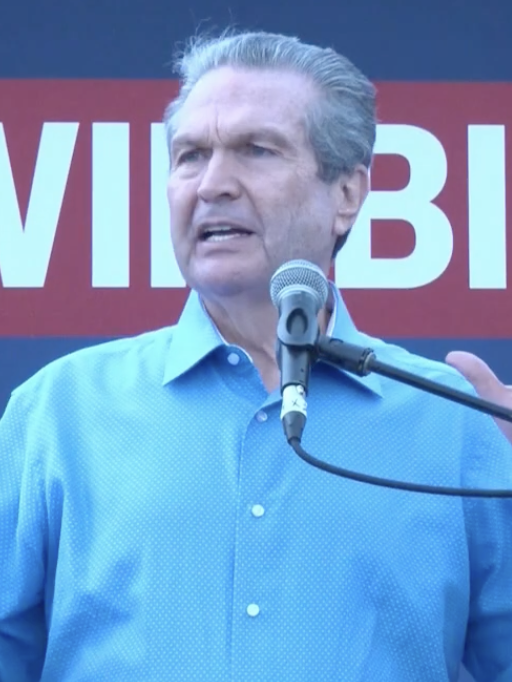
BJP voter deletion charge has been firmly rebutted by the party in response to allegations of deleting 13 Crore voters. The political landscape is heating up as the INDIA Bloc holds a mock CEC impeachment.
Understanding the BJP’s Response
The BJP has issued a clear rebuttal to the allegations regarding the alleged deletion of 13 crore voters from the electoral rolls, a claim that has sparked significant controversy. In response, party representatives emphasize the importance of electoral integrity and the processes involved in maintaining accurate voter lists.
According to the BJP, the voter deletion charge is unfounded and lacks substantial evidence. They argue that any changes made to the electoral rolls are part of routine administrative updates aimed at ensuring the accuracy of voter information. The party insists that these updates are crucial for reflecting the current demographic realities and maintaining a fair electoral process.
The BJP further points out that allegations of mass deletions are often politically motivated, aimed at undermining trust in the electoral system. They claim that the focus should be on enhancing voter participation rather than spreading misinformation about voter deletions. This position seeks to reassure their base and the public that the integrity of the electoral process is being upheld.
- Voter integrity: Emphasizing routine updates to maintain accuracy.
- Political motivations: Allegations seen as tactics to discredit the party.
What is the INDIA Bloc?
The INDIA Bloc is a coalition of opposition parties in India, formed to challenge the ruling Bharatiya Janata Party (BJP) and promote a unified front in the upcoming elections. It aims to consolidate various regional and national parties under a common agenda, focusing on issues such as governance, social justice, and economic development.
Members of the INDIA Bloc include major parties like the Indian National Congress, Trinamool Congress, and Aam Aadmi Party, among others. This coalition seeks to leverage their collective strength to counter the BJP’s dominance in Indian politics.
Recently, the INDIA Bloc has made headlines with allegations regarding voter deletions, claiming that the BJP is responsible for the removal of approximately 13 Crore voters from the electoral rolls. This charge has led to significant debate and scrutiny regarding electoral integrity and transparency.
In response, the BJP has categorically denied these allegations, labeling them as baseless and politically motivated. The party argues that such claims are part of a broader strategy by the INDIA Bloc to mislead the public and distract from their own shortcomings.
Details of the Mock CEC Impeachment
The recent mock impeachment of the Chief Election Commissioner (CEC) by the INDIA Bloc has sparked significant debate regarding the veracity of the BJP voter deletion charge. This event, held to draw attention to alleged discrepancies in the electoral process, included various opposition leaders claiming that 13 crore voters had been removed from the electoral rolls.
During the proceedings, the INDIA Bloc presented various points aimed at substantiating their claims. Key arguments included:
- Statistical Evidence: The bloc referenced specific data that they alleged indicated a disproportionate number of deletions in constituencies where the BJP had a stronghold.
- Voter Accessibility: Concerns were raised about the impact of these deletions on voter turnout and overall democratic participation.
- Calls for Transparency: The need for a transparent electoral process was emphasized, with demands for a thorough investigation into the claims of voter deletions.
In response, the BJP has firmly rejected these allegations, labeling them as politically motivated and unfounded. They argue that the actual number of deletions is far less than what has been claimed, and that electoral integrity remains intact.
The Implications of Voter Deletion
The recent allegations surrounding the BJP voter deletion charge have significant implications for the political landscape in India. The claims of 13 crore voters being deleted from the electoral rolls have sparked intense debate and concern among the electorate. This situation raises several critical questions about electoral integrity and transparency.
Firstly, the accusations can undermine public trust in the electoral process. When large numbers of voters are reportedly removed, it can lead to skepticism about the fairness of elections and the motives behind such actions. This skepticism may discourage voter participation, ultimately affecting democracy.
Secondly, these allegations could be used as a political tool by opposition parties, especially the INDIA Bloc, to rally support against the BJP. The perception that a major political party is manipulating voter rolls might galvanize those who feel disenfranchised or marginalized.
Finally, if the claims are proven false, it could backfire on the opposition, leading to a loss of credibility. The BJP’s rebuttal emphasizes the need for accurate information in political discourse, reminding all parties involved of their responsibility to uphold democratic principles.
Public Reaction to the Allegations
The allegations surrounding the BJP voter deletion charge have sparked a significant public reaction across various social media platforms and traditional news outlets. Many citizens have expressed skepticism regarding the claim that 13 crore voters have been deleted from the electoral rolls.
A user on Twitter stated, “These numbers seem exaggerated. We need transparency in our electoral process.” This sentiment is echoed by numerous commentators who demand more evidence before accepting the massive figures reported by the opposition.
On the other hand, some supporters of the INDIA Bloc argue that the apparent deletion of voters could have serious implications for democracy, emphasizing the importance of safeguarding every citizen’s right to vote. They have been vocal in calling for independent audits of the electoral rolls to verify these claims.
Amidst the controversy, political analysts have noted that public trust in the electoral system is crucial. A recent survey indicated that a significant percentage of the populace is concerned about the integrity of the electoral process. As discussions continue, the discourse surrounding the BJP voter deletion charge remains a focal point of debate in the run-up to the elections.
Analyzing the Political Landscape
The recent allegations surrounding the BJP voter deletion charge have sparked intense discussions within the political landscape of India. As the opposition coalition, known as the INDIA Bloc, escalates its rhetoric, the ruling BJP has firmly rebutted claims of mass voter deletions affecting 13 crore individuals.
Political analysts suggest that these accusations are part of a broader strategy by the INDIA Bloc to undermine the BJP’s credibility ahead of upcoming elections. The opposition’s focus on voter deletions aims to raise concerns about electoral integrity and mobilize public sentiment against the ruling party.
In response, the BJP has highlighted the importance of maintaining an accurate electoral roll, emphasizing that any deletions are part of a routine process to ensure that only eligible voters are registered. This counter-narrative seeks to reassure constituents that the electoral system is functioning as intended.
Moreover, both sides are actively engaging with their voter bases to solidify support. The BJP’s robust rebuttal against the allegations indicates its commitment to countering narratives that could threaten its political stability.
As the political environment intensifies, the implications of these voter deletion charges will likely continue to shape campaign strategies and public discourse.
Upcoming Elections and Their Impact
As the upcoming elections draw near, the political atmosphere is charged with intense scrutiny and debate. The BJP voter deletion charge has sparked significant controversy, with claims of massive voter roll purges emerging as a central issue. The INDIA Bloc, in its recent mock CEC impeachment, has highlighted these allegations, asserting that the deletion of 13 crore voters could undermine the electoral process.
In response, BJP leaders have vehemently dismissed these claims as unfounded, arguing that the party is committed to ensuring a fair election. This rebuttal comes at a crucial time, as the implications of voter deletion could potentially sway public perception and voter turnout in the upcoming elections.
With the electorate closely watching the unfolding drama, the parties involved are gearing up for a fierce battle. The BJP’s strategy appears focused on reinforcing its narrative of transparency, while the opposition aims to capitalize on any perceived missteps.
As voters prepare to head to the polls, the effectiveness of each party’s messaging regarding the BJP voter deletion charge will be pivotal in shaping the electoral outcome. The stakes have never been higher, and the implications of this controversy will likely resonate well beyond election day.
The BJP voter deletion charge has been met with a detailed investigation, revealing that the claims are largely unfounded. Analysts suggest that the BJP voter deletion charge may be an attempt to divert attention from other pressing issues within the party.
Read the original
- India trade deal: Is it the best move for the US?
- Trump GOP turnout: Is it the Right Strategy for 2026?
- Ramayana Day 1 Advance Booking: Is It Worth the Hype?
About the Author