
The Falling Man image captures the essence of 9/11 and its profound impact on society. This haunting photograph has become a defining symbol of loss and remembrance.
The Story Behind The Falling Man Image
The Falling Man image, captured by photographer Richard Drew, has become one of the most haunting symbols of the September 11 attacks. Taken during the chaotic moments of that fateful day, the photograph depicts a man plummeting from the North Tower of the World Trade Center, embodying the despair and desperation faced by many trapped inside. The identity of the man remains unknown, which adds to the poignant nature of the image.
In the days following the attacks, the photograph was met with mixed reactions. While some viewed it as a powerful representation of the human cost of terrorism, others questioned its appropriateness, arguing that it was too graphic to be publicized. Despite the controversy, The Falling Man image has endured in public consciousness, prompting discussions about the nature of tragedy and the ethics of representation in journalism.
Media outlets and art institutions have since explored the implications of the image, leading to various interpretations of its meaning. The photograph has served as a reminder of the lives lost and the emotional scars left on survivors and families. As the years pass, The Falling Man image continues to evoke a deep sense of empathy, allowing viewers to confront the personal stories behind the statistics of 9/11.
Impact of The Falling Man on Society
The Falling Man image has become a powerful symbol of the tragedy and emotional turmoil surrounding the events of September 11, 2001. Its impact on society has been profound, resonating deeply with individuals and communities alike.
Many viewers have found the image to encapsulate the desperation faced by those trapped in the World Trade Center during the attacks. The starkness of the photo offers a haunting glimpse into the human experience during one of the darkest days in American history. This visual representation has prompted discussions about mortality, heroism, and the nature of choice in life-threatening situations.
The Falling Man has influenced various forms of art, literature, and media. Artists and writers have sought to explore the deeper meanings behind the image, fostering a collective reflection on loss and resilience. In addition, the image has sparked debates about the ethics of representing tragedy, pushing society to confront uncomfortable realities about life and death.
Moreover, the legacy of The Falling Man image continues to shape public memory surrounding 9/11. It serves as a reminder of the thousands of lives lost and the indelible scars left on survivors and families. As time passes, the image remains a poignant tribute, ensuring that those who perished are not forgotten, and highlighting the enduring impact of that fateful day.
The Falling Man Image in Media
The Falling Man image has transcended its initial portrayal, becoming a powerful symbol of the tragedy that unfolded on September 11, 2001. The photograph, which captures a man free-falling from the North Tower of the World Trade Center, has been featured in numerous media outlets and documentaries. It evokes a deep emotional response, prompting discussions about the human experience during one of the darkest days in American history.
In the years following the attacks, the image has appeared in various formats, including:
- News articles that aim to depict the raw reality of the events
- Documentaries analyzing the impact of 9/11 on society
- Art exhibits that explore themes of loss and resilience
- Books and essays that provide personal and historical contexts
Despite the controversy surrounding its publication, the Falling Man image serves as a poignant reminder of the lives lost and the personal stories behind the statistics. It has sparked debates about ethics in journalism and the portrayal of tragedy, challenging viewers to confront the uncomfortable truths of that day.
As a defining image of 9/11, The Falling Man continues to resonate, prompting reflection on the impact of the attacks not just on America, but on the world at large.
Remembering 9/11: A Reflection
As the nation reflects on the events of September 11, 2001, the Falling Man image remains a poignant reminder of the human cost of that tragic day. This photograph, capturing the moment of a man falling from the World Trade Center, symbolizes not just loss, but also the profound grief experienced by countless families and communities. Each year, as we commemorate the anniversary of 9/11, the image evokes a range of emotions, from sorrow to anger, and serves as a powerful testament to the fragility of life.
The act of remembering those who perished on that fateful day prompts many to reflect on the broader implications of the tragedy. As society grapples with the impact of terrorism, the Falling Man image forces us to confront uncomfortable truths about fear, vulnerability, and resilience. It serves as a visual narrative that transcends politics, urging us to honor not just the victims but also the spirit of unity and hope that emerged in the aftermath.
In the years since, various memorials and events have been established to remember those lost, ensuring that their stories are not forgotten. The Falling Man image, in particular, continues to resonate, reminding us of the importance of compassion and understanding in a world still grappling with the shadows of that day.
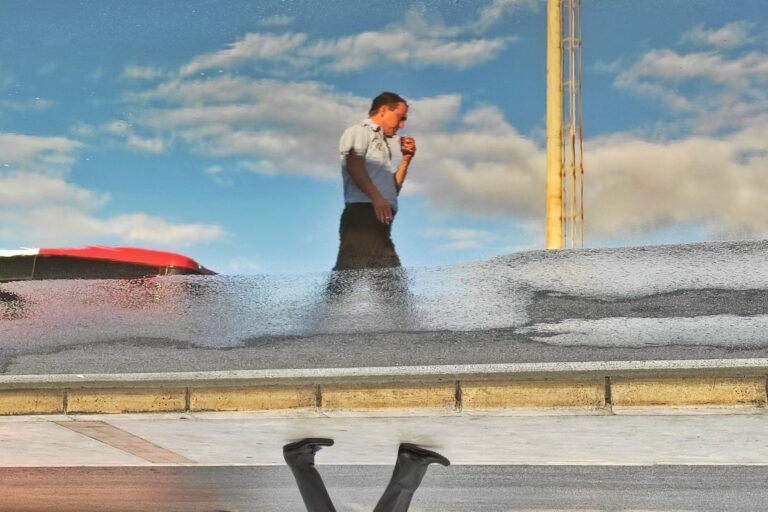
Photo by Nesrin Öztürk on Pexels
Where this came from
You might also like
- Hugging Face hack: The Worst OpenAI Controversy Explained
- Intelligent Food Systems: The Best Proven Solutions for Our Future
- Arsenal Chelsea player ratings: Quick insights on the match
About the Author



1 thought on “The Falling Man image: A Real Look at 9/11’s Impact”