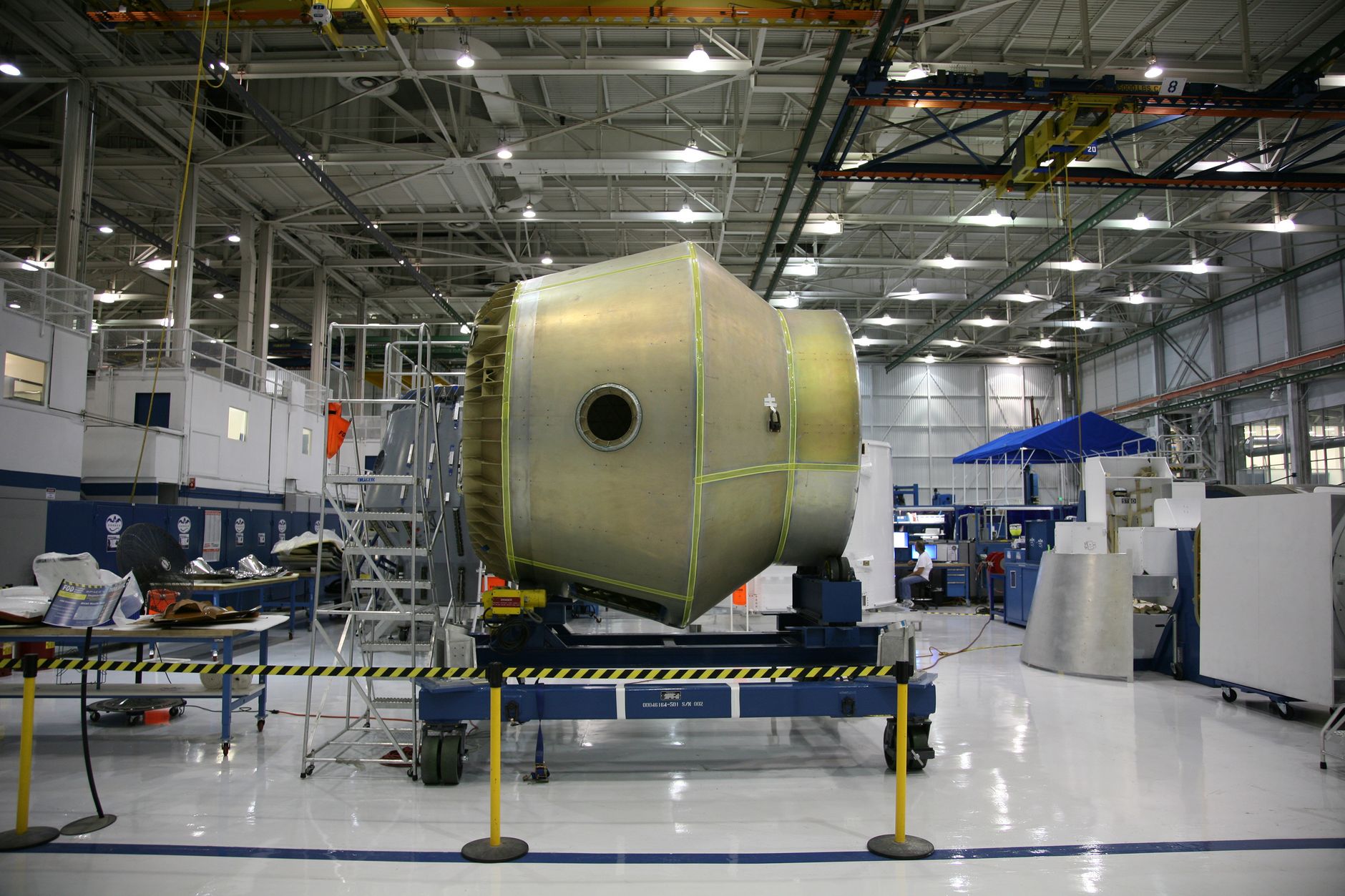
Progress MS-35 spacecraft has successfully launched into orbit, delivering essential supplies to the International Space Station. This mission highlights Russia’s ongoing commitment to space exploration.
Overview of Progress MS-35 Mission
The Progress MS-35 spacecraft was successfully launched by Russia, marking another significant milestone in the country’s space missions. This cargo spacecraft is designed to deliver essential supplies to the International Space Station (ISS), including food, fuel, and equipment required for ongoing scientific research. The mission demonstrates Russia’s commitment to maintaining its presence in space and supporting international collaborations in space exploration.
The Progress MS-35 mission is particularly noteworthy for several reasons:
- Innovative Technology: The spacecraft features advanced navigation and telemetry systems, enhancing its operational capabilities.
- Increased Cargo Capacity: It can transport a larger volume of supplies compared to its predecessors, addressing the growing needs of the ISS crew.
- Timely Resupply: The mission is essential for ensuring that astronauts aboard the ISS have a continuous supply of provisions, critical for their well-being and ongoing experiments.
As the Progress MS-35 spacecraft embarks on its journey, it stands as a testament to human ingenuity and the collaborative spirit of space exploration.
Significance of Cargo Spacecraft
The significance of cargo spacecraft in modern space exploration cannot be overstated. These vehicles play a crucial role in supporting long-term missions aboard the International Space Station (ISS) and ensuring a continuous supply of essential goods.
Among these, the Progress MS-35 spacecraft has emerged as a vital player in the logistics of space missions. Delivered by Russia, it is designed to transport not only supplies but also scientific equipment and experimental payloads. The successful launch of Progress MS-35 highlights the ongoing commitment to maintaining a robust infrastructure for space exploration.
Key reasons why cargo spacecraft, like Progress MS-35, are significant include:
- Supply Chains: They provide necessary materials for astronauts, including food, water, and spare parts.
- Scientific Research: Cargo spacecraft enable the transport of experiments that advance our understanding of various scientific fields.
- Technological Advancements: Each mission contributes to the development of new technologies that can be applied in future space missions.
As space agencies continue to explore beyond Earth’s orbit, the role of cargo spacecraft will remain essential.
What Supplies Did Progress MS-35 Deliver?
The Progress MS-35 spacecraft has successfully delivered a crucial supply of goods to the International Space Station (ISS). This mission underscores the importance of reliable cargo transport in maintaining the operations of the ISS and supporting its crew. The supplies included a variety of essential items necessary for the daily activities of astronauts aboard the station.
- Food and Water: The spacecraft transported several months’ worth of nutritious meals and clean drinking water, ensuring that the crew remains healthy and well-fed.
- Scientific Equipment: Progress MS-35 delivered various scientific instruments needed for ongoing experiments, contributing to advancements in space research.
- Spare Parts: To maintain the ISS’s functionality, the cargo included spare parts for critical systems, allowing for timely repairs and upgrades.
- Fuel: The spacecraft also brought fuel to replenish the ISS’s supplies, enabling it to continue its operations without interruption.
In summary, the Progress MS-35 spacecraft has proven itself to be an invaluable asset, delivering essential supplies that support the ongoing work and life aboard the space station.
Details on the Launch Process
The launch of the Progress MS-35 spacecraft was a meticulously planned process that showcased the advancements in cargo delivery systems. The spacecraft lifted off from the Baikonur Cosmodrome in Kazakhstan, an iconic launch site for numerous space missions.
The launch vehicle, a Soyuz-2.1a rocket, was equipped with enhanced technologies to ensure a smooth ascent into orbit. Prior to liftoff, engineers conducted a series of rigorous checks to confirm that all systems were functioning optimally. This included detailed assessments of the spacecraft’s propulsion systems, communication equipment, and onboard cargo.
Once the rocket was launched, the Progress MS-35 spacecraft was inserted into its designated orbit approximately nine minutes after lift-off. From there, it performed a series of automated maneuvers to approach the International Space Station (ISS). The entire process from launch to docking is designed for efficiency, ensuring that vital supplies reach astronauts aboard the ISS in a timely manner.
As part of its mission, the Progress MS-35 will remain in orbit for several months, providing continuous support to scientific research and daily operations aboard the space station.
Future Missions for Russia
The launch of the Progress MS-35 spacecraft marks a significant milestone for Russia’s space program, but it also sets the stage for upcoming missions. Looking ahead, Russia plans to further enhance its cargo capabilities with future launches that will build on the success of the Progress MS-35 mission.
Upcoming missions will focus on several key objectives:
- Increased Payload Capacity: Future spacecraft are expected to carry larger loads, improving the efficiency of resupply missions to the International Space Station.
- Technological Upgrades: Russia aims to incorporate advanced technologies in design and systems, ensuring reliability and safety in space logistics.
- International Collaboration: There is a push for joint missions with other space agencies, enhancing shared resources and expertise.
- Research and Development: Missions will also focus on delivering scientific equipment and materials, supporting ongoing research in space.
As the space community anticipates these developments, the Progress MS-35 spacecraft stands out as a pivotal step in enhancing Russia’s role in global space exploration.
International Collaboration in Space
The launch of the Progress MS-35 spacecraft marks a significant milestone in international collaboration in space exploration. This mission serves as a testament to the collaborative efforts of various space agencies and organizations around the globe. Countries have come together to share knowledge, resources, and technology, enhancing the capabilities of missions like that of the Progress MS-35.
One of the key aspects of this collaboration is the sharing of scientific research and technological advancements. For instance, the hardware and software used in the Progress MS-35 have benefited from partnerships between Russian space engineers and their international counterparts. This cooperation not only strengthens individual missions but also fosters a spirit of unity among nations in the pursuit of knowledge beyond our planet.
Moreover, the supplies delivered by the Progress MS-35 include scientific equipment that will be utilized by astronauts from various countries aboard the International Space Station (ISS). This further illustrates how international collaboration plays a crucial role in advancing scientific research and exploration in space.
As countries continue to work together, the future of space exploration looks promising, with the Progress MS-35 spacecraft leading the way in showcasing the importance of teamwork in achieving ambitious goals.
Challenges Faced in Space Logistics
The launch of the Progress MS-35 spacecraft has brought to light several challenges faced in space logistics. As advancements continue to be made in the field of aerospace, maintaining a reliable supply chain to the International Space Station (ISS) remains a complex task.
One of the primary challenges is the timeliness of deliveries. Space missions require precise timing, as any delays can disrupt the schedules of astronauts and research projects aboard the ISS. With Progress MS-35, the team had to ensure that all systems were functioning perfectly to avoid any potential setbacks.
Another significant issue is cost management. Each launch involves substantial financial investments, and ensuring that missions remain economically viable is crucial. The Russian space agency has continually sought ways to optimize costs while still delivering high-quality service.
Additionally, the technical difficulties associated with launching and docking spacecraft are ever-present. From propulsion failures to navigation errors, these technical challenges can compromise a mission. However, the successful launch of Progress MS-35 demonstrates the advancements and resilience of space logistics.
Public Reaction to the Launch
The launch of the Progress MS-35 spacecraft has sparked a significant public reaction, with many fans and experts alike expressing their enthusiasm on social media platforms. Observers have taken to various forums to discuss the implications of this successful mission for future cargo deliveries to the International Space Station (ISS).
Many space enthusiasts praised the advancements in technology that the Progress MS-35 represents. A frequent comment highlighted how this mission could streamline logistics for upcoming missions, making space travel more efficient.
- “This launch showcases Russia’s commitment to maintaining its role in space exploration,” said one user on Twitter.
- “The Progress MS-35 will undoubtedly enhance our understanding of long-duration spaceflight,” noted a space science blogger.
- “I’m excited to see how this cargo will benefit the ISS crew,” remarked a follower on Instagram.
The overall sentiment is one of optimism, with many people viewing the successful launch as a pivotal moment in the ongoing journey of space exploration and logistical advancements. As discussions continue, the significance of the Progress MS-35 spacecraft remains at the forefront of public interest.
Photo by SpaceX on Pexels
Sources
Related reading
Liquid AI: The Smart Solution for Unpredictable Earth Views · The Falling Man image: A Real Look at 9/11’s Impact · Hugging Face hack: The Worst OpenAI Controversy Explained
About the Author





2 thoughts on “Progress MS-35 spacecraft: Is it the Best Cargo Launch Yet?”