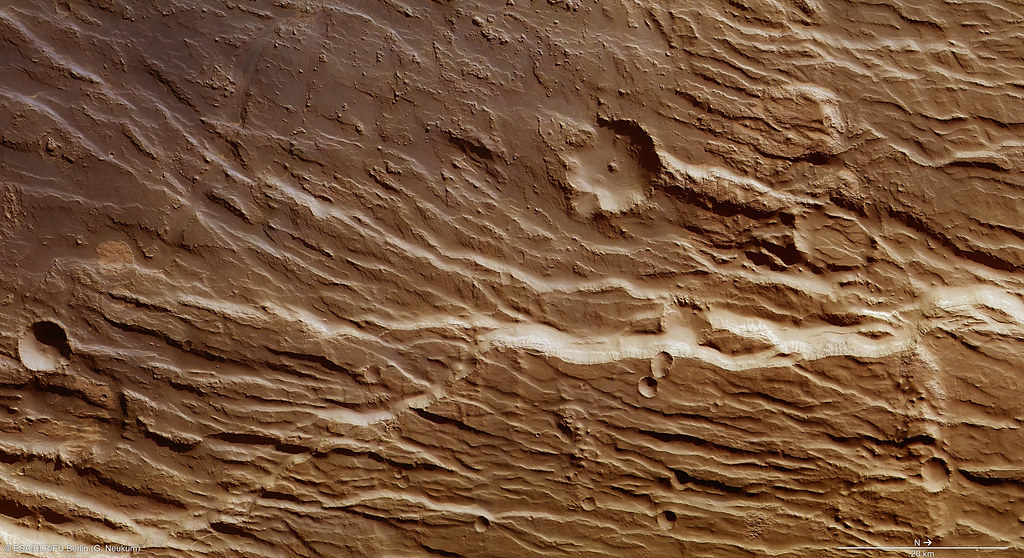
Earth and Mars formation showcases how these two neighboring rocky worlds were built in different ways. Recent research highlights the contrasting processes that shaped their development.
The Formation of Earth
The formation of Earth is a complex process that began over 4.5 billion years ago. As part of the solar system’s evolution, Earth formed from dust and gas in the protoplanetary disk surrounding the young Sun. This material gradually coalesced through a process known as accretion, where particles collided and stuck together to create larger bodies.
During this time, several factors contributed to the unique characteristics of Earth:
- Size and Mass: Earth is significantly larger than many other rocky bodies, which allowed it to retain a substantial atmosphere.
- Water Presence: Earth’s position in the habitable zone enabled the accumulation of liquid water, a crucial element for life.
- Geological Activity: The planet’s internal heat from radioactive decay has driven tectonic activity, shaping its surface.
In contrast, the differences in the Earth and Mars formation processes highlight the diverse paths planets can take in the solar system.
How Mars Was Built
Mars, while often seen as a sibling to Earth, has a distinct formation history that sets it apart. Scientists believe that the Earth and Mars formation processes diverged significantly due to their positions in the early solar system.
Key factors that influenced the construction of Mars include:
- Location in the Solar System: Mars formed further from the Sun, where it encountered fewer materials compared to Earth.
- Size and Gravity: With only half the diameter of Earth, Mars had a weaker gravitational pull, which limited its ability to attract and retain gas, leading to a thinner atmosphere.
- Water Availability: Early Mars experienced conditions that may have allowed liquid water, but these were not sustained, affecting geological evolution.
These factors contributed to Mars’ more barren landscape and a less diverse geology, showcasing how different environmental conditions shaped the two neighboring planets.
Comparing Rocky Worlds
Scientists have long been fascinated by the differences in the formation of Earth and Mars, two neighboring rocky worlds that exhibit contrasting characteristics. Both planets formed around the same time, approximately 4.6 billion years ago, but their developmental paths diverged significantly.
One of the key differences lies in their size and gravity. Earth is about 10 times more massive than Mars, which influenced its ability to retain a thicker atmosphere and maintain liquid water on its surface. In contrast, Mars, with its lower gravity, struggled to hold onto its atmosphere, resulting in a colder and drier environment.
Another factor in the Earth and Mars formation narrative is their geological activity. Earth has a dynamic geology, with active plate tectonics and volcanism, while Mars exhibits signs of ancient volcanic activity but has largely cooled and remains geologically inactive today.
These differences not only highlight the unique evolutionary paths of the two planets but also provide insights into the conditions necessary for sustaining life.
Implications for Space Exploration
The profound differences in the formation of Earth and Mars have significant implications for space exploration. Understanding how these two neighboring rocky worlds evolved can inform future missions aimed at uncovering the mysteries of our solar system.
Key considerations include:
- Habitability Potential: Earth’s rich atmosphere and abundant water sources support life, while Mars has a thinner atmosphere and limited evidence of liquid water, raising questions about the planet’s potential for past or present life.
- Resource Utilization: Mars may offer valuable resources for future human settlements, such as ice deposits and minerals, which could be vital for sustaining life and supporting exploration efforts.
- Planetary Defense: Studying the differences in formation can enhance our understanding of asteroid impacts and planetary defenses, as Earth and Mars have experienced varying levels of bombardment throughout their histories.
Ultimately, insights into Earth and Mars formation will guide scientists in their quest to explore and understand the broader dynamics of the solar system.
Recent studies have shed light on the distinct processes involved in Earth and Mars formation, highlighting their varying geological histories. These differences in Earth and Mars formation have significant implications for understanding planetary evolution in our solar system.
By europeanspaceagency via Openverse
References
You might also like
- Walmart Deals event: Best 13 Proven Deals Worth Shopping
- AI-led lifecycle engineering: Proven Smart Solutions
- Opposition March Election Commission: What Went Wrong?
About the Author




2 thoughts on “Earth and Mars formation: The Proven Differences Revealed”