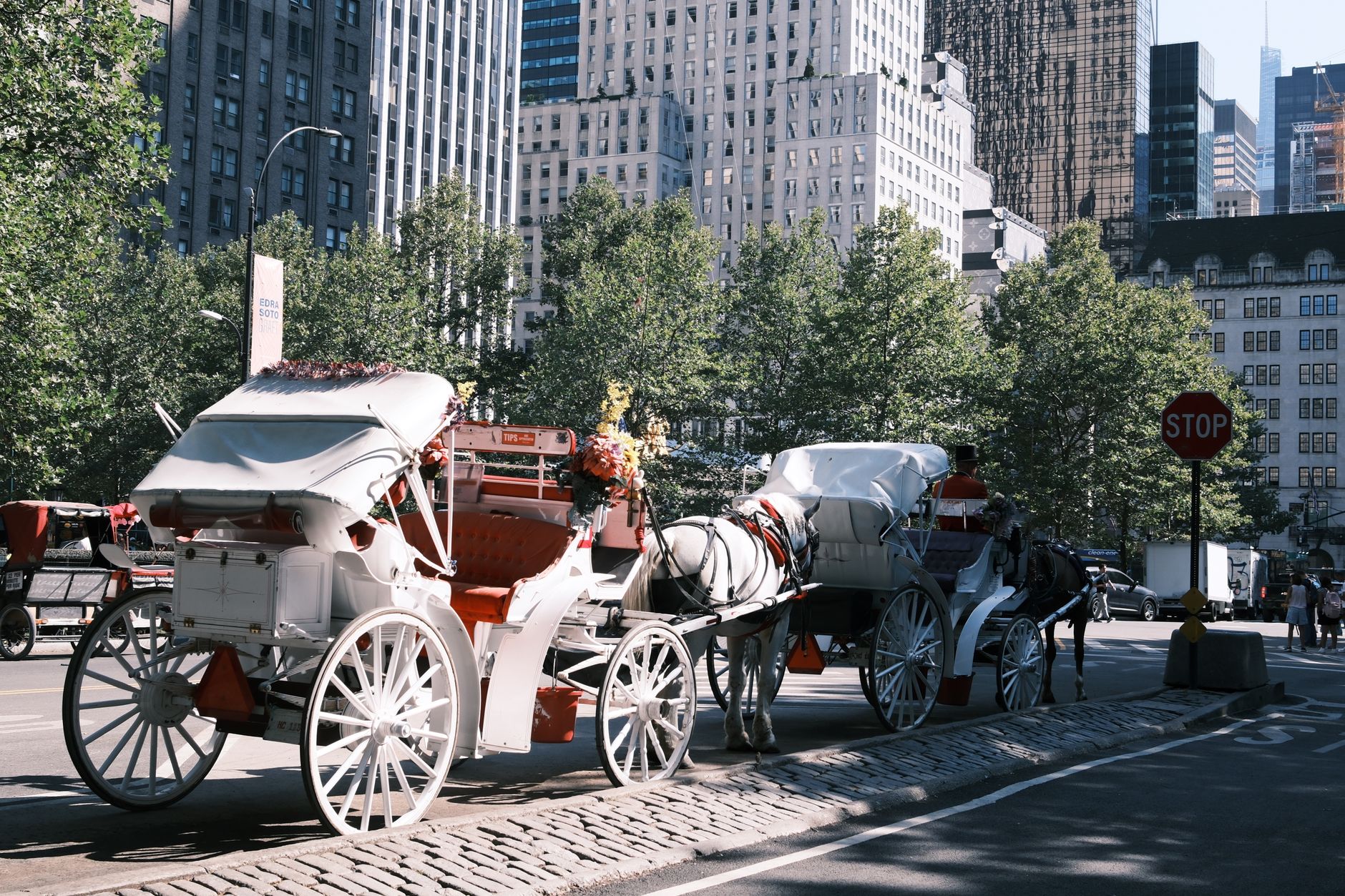
Horse carriages New York City are facing an impending ban, which has sparked a heated debate among locals and visitors alike.
Background on Horse Carriages
The debate surrounding horse carriages in New York City has intensified over the years, drawing attention from both animal rights advocates and traditionalists. These iconic carriages have been a staple of the city’s landscape, offering tourists a glimpse of New York’s charm while providing a unique mode of transportation through its bustling streets.
However, concerns over the welfare of the horses have led to increasing scrutiny. Advocates argue that the working conditions for the horses are often subpar, citing issues such as:
- Inadequate shelter and rest periods
- Exposure to harsh weather conditions
- High-stress environments due to traffic
On the other hand, supporters of the carriage industry emphasize the long-standing tradition and economic benefits that horse carriages bring to the city. They argue that these carriages are part of New York’s cultural fabric and provide jobs for numerous workers. The prospect of outlawing horse carriages has sparked a heated debate, as many see it as a loss of historical significance and a detrimental blow to local businesses.
As the city weighs its options, the future of horse carriages remains uncertain, with passionate voices on both sides of the issue calling for change and preservation.
Public Opinion on the Ban
The recent proposal to ban horse carriages in New York City has sparked a heated debate among residents and tourists alike. Many individuals express strong feelings about the traditional mode of transport, which they see as a charming aspect of the city’s landscape. Supporters of the horse carriages argue that they are not only a beloved tourist attraction but also an integral part of New York’s cultural heritage.
However, opponents of the ban cite concerns regarding animal welfare and the working conditions of the horses. They argue that the city’s streets can be dangerous for both the animals and their drivers. Public opinion is divided, with some advocating for a more humane treatment of horses, while others defend the rights of carriage operators to continue their livelihoods.
- Supporters of horse carriages: They believe that these carriages provide a unique experience for visitors and contribute to the local economy.
- Opponents of horse carriages: They emphasize the need for reforms to improve horse welfare and suggest alternatives such as electric carriages.
- Tourist perspective: Many tourists cherish the nostalgic feel of a horse-drawn carriage ride through Central Park, calling it a quintessential New York experience.
As the city grapples with this decision, the future of horse carriages in New York City remains uncertain, and public sentiment will play a crucial role in shaping the outcome.
Impact on Tourism
The decision to potentially outlaw horse carriages in New York City has stirred significant concerns regarding its impact on tourism. Tourists visiting the city often seek the iconic experience of riding through Central Park in a horse-drawn carriage, an activity that has become synonymous with the city’s charm and history.
Many visitors view these rides as a quintessential part of their New York experience, creating lasting memories as they explore scenic routes. The removal of horse carriages would not only diminish this unique attraction but could also lead to a decline in foot traffic in areas that heavily rely on tourist activities.
Local businesses, including restaurants and shops, may face consequences as well. A reduction in tourists could impact their revenue, leading to a ripple effect throughout the local economy. The horse carriage industry supports numerous jobs, and its potential elimination could result in significant job losses for the drivers and those involved in the care of the horses.
Moreover, the ban could dissuade new visitors from coming to the city, as many travelers prioritize experiences that are distinctive and memorable. Efforts to promote animal welfare must be balanced against the economic and cultural implications of such a decision, ensuring that New York City remains a vibrant destination for all.
Alternatives to Horse Carriages
As discussions around the future of horse carriages in New York City continue, it is essential to explore viable alternatives that could replace this iconic mode of transport. Advocates for the ban argue that alternatives can provide a more humane and environmentally friendly experience for both residents and tourists.
Several options are already gaining traction as potential substitutes for horse carriages:
- Electric Carriage Rides: Companies are developing electric-powered carriages that mimic the charm of traditional horse-drawn vehicles while eliminating concerns over animal welfare.
- Bicycle Rickshaws: These human-powered vehicles offer an eco-friendly way to explore the city’s sights, allowing passengers to enjoy the fresh air and engage more with their surroundings.
- Pedicabs: Similar to rickshaws, pedicabs provide an energetic alternative, where riders can appreciate the city at a leisurely pace while supporting local cyclists.
- Walking Tours: Guided walking tours can enhance the tourist experience by providing a more intimate and informative way to explore New York City’s landmarks.
With the potential ban on horse carriages in New York City, these alternatives may not only serve as replacements but also contribute to a more sustainable urban environment.
Legislative Process Explained
The legislative process surrounding the potential ban on horse carriages in New York City has been complex and contentious. Lawmakers have been grappling with various factors, including public sentiment, animal welfare concerns, and the economic implications for the city’s tourism sector.
Initially, a proposal was introduced to outlaw horse carriages, citing the welfare of the animals as a primary concern. Proponents of the ban argue that the carriages expose horses to hazardous traffic conditions, extreme weather, and the stress of city life. They emphasize the need for more humane alternatives, such as electric carriages.
Opponents of the ban, however, contend that horse carriages are a historic New York City attraction and a beloved tradition. They argue that the industry provides jobs and contributes significantly to the local economy. During public hearings, many carriage operators and supporters voiced their concerns, highlighting the negative impact the ban could have on tourism.
As the debate continues, the legislative process has been marked by passionate discussions and protests from both sides. The fate of horse carriages in New York City ultimately hinges on the decisions made by city officials, who must weigh public opinion against the potential consequences of their actions.
In summary, the legislative process regarding horse carriages is ongoing, with no clear resolution in sight.
Advocacy for Animal Rights
The debate surrounding the future of horse carriages in New York City has ignited a passionate advocacy for animal rights. Advocates argue that the horses used in these carriages deserve better conditions and treatment, emphasizing that the urban environment poses significant challenges to their well-being.
Many proponents of an outright ban on horse carriages highlight the following concerns:
- Health Risks: The noise and pollution of the city can lead to stress and health issues for the horses.
- Working Conditions: Critics claim that long hours and heavy workloads are detrimental to the animals’ physical and mental health.
- Inhumane Practices: There are allegations of neglect and mistreatment in some carriage operations, prompting calls for stricter regulations.
Supporters of the ban assert that the horse carriages in New York City are not only a relic of a bygone era but also an outdated form of entertainment that compromises animal welfare. They believe that a complete prohibition on horse-drawn carriages would send a strong message about the city’s commitment to protecting its animals.
Advocacy groups continue to raise awareness and rally public support for the cause, encouraging residents and tourists alike to reconsider their views on this controversial practice.
Future of Transportation in NYC
The future of transportation in New York City is increasingly being debated in the wake of the potential ban on horse carriages. As the city grapples with environmental concerns and the push for sustainable transit options, the implications of this decision extend far beyond the immediate benefits or drawbacks of eliminating horse-drawn vehicles.
Many advocates argue that outlawing horse carriages will pave the way for more modern and eco-friendly transportation solutions. The city is already exploring options such as:
- Electric car services that provide a clean alternative for tourists and residents alike.
- Bike-sharing programs that encourage a healthier, more active lifestyle while reducing congestion.
- Pedestrian-friendly initiatives aimed at creating a more walkable environment in urban areas.
However, the potential loss of horse carriages also raises concerns about cultural heritage and tourism. These iconic vehicles are not just a mode of transport; they are a part of the fabric of New York City’s identity. For many visitors, a ride through Central Park in a horse carriage is a cherished experience.
As New York City navigates this complex issue, the balance between animal rights, cultural preservation, and sustainable innovation will be crucial in shaping the future of transportation in the city.
The recent decision to regulate horse carriages New York City has sparked outrage among animal rights activists. Many believe that this move only serves to perpetuate the outdated practice of using horse carriages New York City for tourism.
Photo by Mingyang LIU on Pexels
Read the original
You might also like
Cardiovascular provider compensation: Proven insights for 2026 · Northern Lights Forecast: What’s the Best Time to See Them? · Is Bank of America Securities the Best Hold for AIG?
About the Author



2 thoughts on “Horse Carriages New York City: The Worst Outlaw Decision”