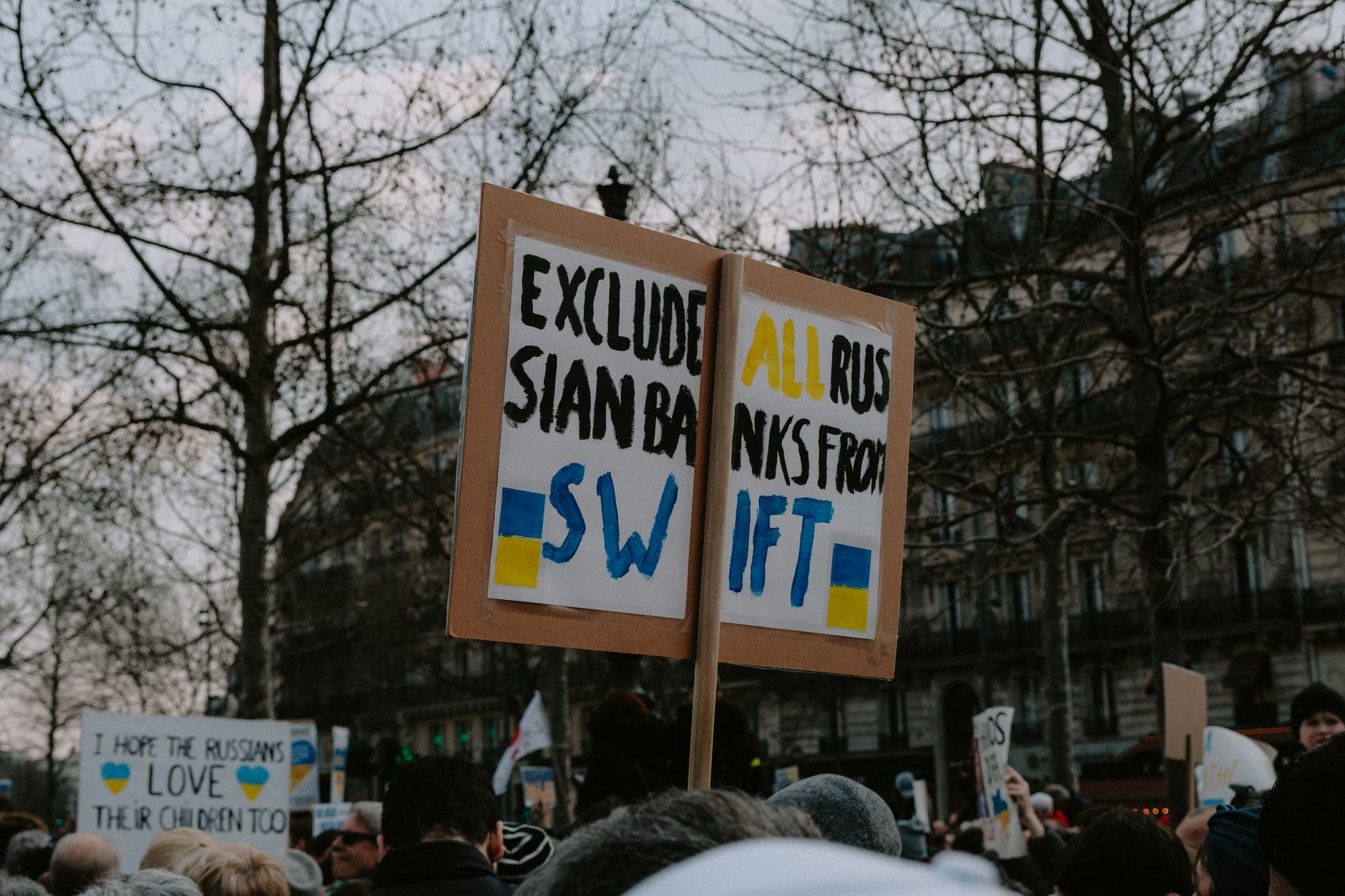
Russia sanctions Trump are currently on hold, creating a complex situation amid rising tensions with Ukraine. This decision has sparked debates about the implications for international relations and security.
Understanding the Context of Russia Sanctions
In recent developments, the issue of Russia sanctions Trump has taken center stage as tensions escalate between Ukraine and Russia. The backdrop of this situation is rooted in a series of sanctions imposed by the U.S. Congress, aimed at curtailing Russia’s aggressive actions in Ukraine. These sanctions are part of a broader strategy to hold Russia accountable for its annexation of Crimea and ongoing military support for separatists in Eastern Ukraine.
Former President Trump, however, has put these new sanctions on hold, igniting a fierce debate over the implications of such a decision. Critics argue that delaying sanctions undermines U.S. foreign policy and emboldens Russia, while supporters claim that a more measured approach could lead to a peaceful resolution.
The controversy surrounding Trump’s actions is multifaceted, involving various political factions and public opinion. Some key points to consider include:
- The potential impact on U.S.-Russia relations: Will holding back sanctions lead to a more cooperative dynamic?
- Domestic political ramifications: How will this decision affect Trump’s standing among his supporters and critics?
- Global perceptions: What message does this send to other nations regarding U.S. commitment to international norms?
As the situation unfolds, the debate over the appropriateness of sanctions continues to be a critical topic in U.S. foreign policy discussions.
The Impact of Sanctions on U.S.-Russia Relations
The recent decision to impose Russia sanctions on Trump has sparked a significant debate regarding its impact on U.S.-Russia relations. As tensions continue to rise, particularly in light of the conflict in Ukraine, these sanctions could potentially reshape diplomatic ties.
Supporters of the sanctions argue that they are necessary to demonstrate a firm stance against Russian aggression. They believe that holding Trump accountable sends a clear message that the U.S. will not tolerate violations of international law. The potential consequences of these sanctions include:
- Increased diplomatic isolation for Russia
- Strained economic relations between the two nations
- Heightened military tensions in Eastern Europe
On the other hand, critics warn that such measures could backfire, leading to further deterioration of relations. They express concerns about the following:
- Potential retaliation from Russia, which could escalate conflicts
- Negative effects on American businesses operating in Russia
- The risk of alienating moderate voices within the Russian government
As the U.S. navigates this complex situation, the implications of these sanctions will likely influence not just bilateral relations but also the broader geopolitical landscape.
Ukraine’s Response to U.S. Sanctions Delay
Ukraine has expressed significant concern regarding the delay in U.S. sanctions against Russia, particularly in light of President Trump’s decision to put new Russia sanctions passed by Congress on hold. This move has sparked a debate over whether it is a strategic misstep or a calculated risk.
Ukrainian officials argue that any postponement in imposing sanctions could embolden Russia, especially with ongoing tensions in Eastern Ukraine. The feeling is that sanctions serve as a vital deterrent against further Russian aggression.
Key points from Ukraine’s response include:
- Security Concerns: Ukrainian leaders fear that a lack of immediate action could lead to increased military activity by Russia along the border.
- International Support: There is a strong desire for unity among Western nations in imposing sanctions to signal a robust stance against Russian actions.
- Political Ramifications: Ukraine worries that delays could be interpreted as a weakening of U.S. commitment to its sovereignty.
As the situation evolves, the reaction from Ukraine emphasizes the urgency of a cohesive response to the sanctions issue. The ongoing tensions and the potential for escalation remain palpable, raising questions about the implications of the U.S. strategy regarding Russia sanctions and its effect on Ukraine’s stability.
Congressional Support for Sanctions Explained
In the ongoing debate over U.S. foreign policy, the Russia sanctions Trump has faced criticism and support from various congressional members. The recent decision to put new sanctions on hold has only intensified discussions surrounding their implications.
Supporters of the sanctions argue that they are a necessary measure to deter Russian aggression and uphold international law. Key points raised by advocates include:
- National Security: Sanctions serve as a crucial tool to protect U.S. interests and allies, particularly in the context of Russian actions in Ukraine.
- International Unity: These sanctions demonstrate a united front among Western nations against perceived violations by Russia, reinforcing diplomatic ties and collective security.
- Accountability: Imposing sanctions holds the Russian government accountable for its actions, promoting a rules-based international order.
On the other hand, opponents of the sanctions express concerns about their effectiveness and potential backlash. They emphasize:
- Economic Impact: Sanctions could harm American businesses and lead to unintended consequences for the U.S. economy.
- Diplomatic Relations: The delay in implementing sanctions could provide an opportunity for dialogue, rather than escalating tensions.
This division within Congress reflects broader uncertainties about the best approach to managing relations with Russia.
Political Ramifications of Trump’s Decision
The political ramifications of Trump’s decision to put new Russia sanctions on hold are far-reaching and complex. This move has generated significant debate among lawmakers and analysts alike, raising questions about the effectiveness of U.S. foreign policy. Many believe that delaying sanctions could undermine the credibility of the United States on the global stage.
Critics argue that by not immediately enforcing the sanctions, Trump is sending a message to both allies and adversaries that America may not stand firm against Russian aggression. This perception could embolden Russia to continue its aggressive actions, particularly in Ukraine, where tensions have remained high.
Conversely, some supporters of the decision suggest that the delay could provide an opportunity for diplomatic negotiations. They argue that engaging in dialogue with Russia might yield better results than punitive measures. However, this approach has its risks, as it could be seen as a sign of weakness.
Ultimately, the political fallout from Trump’s decision is likely to influence future legislative actions regarding Russia sanctions. Lawmakers will need to consider how best to balance national security interests with diplomatic strategies. As the situation evolves, the implications of Trump’s choice will continue to be scrutinized, especially in light of the ongoing conflict in Ukraine.
Public Opinion on Russia Sanctions
Public opinion regarding the recent Russia sanctions Trump has delayed is divided, reflecting a broader debate about U.S. foreign policy and its implications. Various polls suggest that while a significant portion of the American populace supports strong measures against Russia, opinions vary on the effectiveness and consequences of such actions.
According to a recent survey:
- 54% of respondents believe that imposing sanctions on Russia would be beneficial for U.S. national security.
- 30% are concerned that sanctions could escalate tensions between the two nations.
- 16% remain undecided on the impact of these sanctions.
Additionally, many citizens express skepticism about Trump’s motives for postponing the sanctions. Some view it as a political maneuver, questioning whether the decision aligns with national interests or personal affiliations. “It feels like Trump is prioritizing his relationships over the safety of our allies,” said one voter from Ohio.
As discussions continue, public sentiment appears to underscore the complexity of balancing diplomatic relations with the need for accountability. The debate surrounding Russia sanctions Trump has initiated may shape future electoral outcomes and influence policy decisions moving forward.
Expert Opinions on Foreign Policy
In light of the recent developments regarding Russia sanctions Trump, various experts have voiced their opinions on the implications for U.S. foreign policy. Some analysts argue that the sanctions are a necessary measure to hold Russia accountable for its actions, while others express concerns about the potential backlash.
- Dr. Emily Carter, a foreign policy expert, believes that maintaining strict sanctions is crucial. She states, “These measures are integral to demonstrating U.S. resolve and supporting our allies, particularly Ukraine.”
- Professor John Mitchell, however, warns that over-reliance on sanctions could lead to increased tensions. “Sanctions can sometimes exacerbate conflicts rather than resolve them,” he notes.
- Senior analyst Maria Gonzalez emphasizes the need for a balanced approach. “While sanctions can be effective, they should be part of a broader strategy that includes diplomacy and engagement,” she argues.
Additionally, some experts highlight the importance of international cooperation in implementing sanctions. “Multilateral efforts can enhance the effectiveness of sanctions against Russia,” suggests Dr. Steven Lin, pointing to the necessity of a united front among Western allies.
As the debate continues, the consensus remains that the consequences of these sanctions will significantly shape future U.S. foreign relations.
Future of U.S.-Ukraine Relations
The future of U.S.-Ukraine relations remains uncertain as the Biden administration navigates the complexities of U.S. foreign policy in light of recent developments. With Trump’s decision to delay Russia sanctions, the dynamics between the countries may shift significantly.
Key factors influencing U.S.-Ukraine relations include:
- Military Support: Continued military aid to Ukraine is crucial as tensions with Russia escalate. The delay in sanctions could affect Ukraine’s perception of U.S. commitment.
- Economic Assistance: Financial support and investment will be essential for Ukraine’s stability. A strong U.S. stance against Russia could encourage international investment.
- Diplomatic Engagement: High-level discussions between U.S. and Ukrainian officials can help maintain a united front against Russian aggression.
- Public Sentiment: Ukrainian citizens’ views on U.S. involvement and sanctions are vital, especially with Trump’s hold on the narrative surrounding Russia sanctions.
As the situation evolves, the relationship between the U.S. and Ukraine may hinge on the administration’s ability to balance domestic political pressures with the need for a cohesive strategy against Russia sanctions. Ultimately, the impact on Ukraine’s sovereignty and security will be closely watched by allies and adversaries alike.
The debate over whether Russia sanctions Trump will effectively pressure his administration into changing its policies continues to divide experts. Many argue that the Russia sanctions Trump could ultimately backfire, strengthening his support among his base.
Photo by Mathias Reding on Pexels
Sources
You might also like
Laura Loomer White House Role: The Right Move for 2024? · Odisha data center project: $18.62M Investment Approved · Disaster Response Force: A Proven Solution for Delhi’s Safety
About the Author



1 thought on “Russia sanctions Trump: The Right Move or a Mistake?”