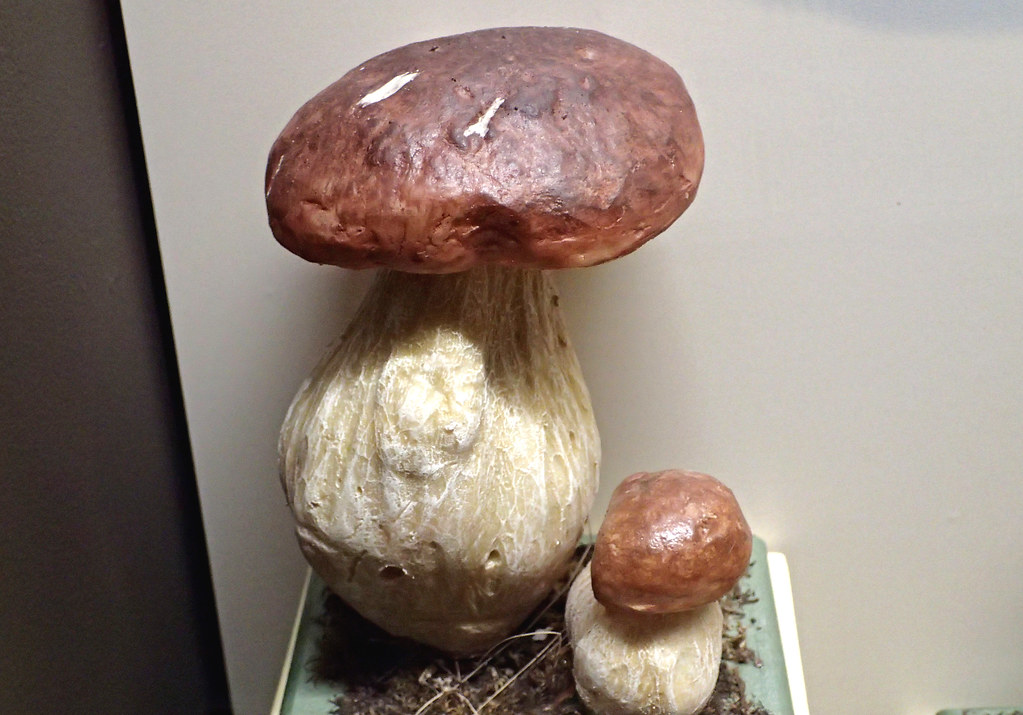
The giant fungus king, known as D. rex, has recently been crowned for its impressive height of almost 2 feet. This remarkable discovery is captivating scientists and nature enthusiasts alike.
What is D. rex?
D. rex, known as the giant fungus king, is an extraordinary species that has recently captured the attention of mycologists and nature enthusiasts alike. Standing nearly 2 feet tall, this remarkable fungus is not only a sight to behold but also plays a crucial role in its ecosystem.
This giant fungus has been discovered in the forests of the Pacific Northwest, where it thrives in the rich, damp environment. Its impressive height and size are attributed to its unique growth patterns and an ability to decompose organic matter efficiently, making it a vital part of the forest’s nutrient cycle.
One of the most fascinating aspects of D. rex is its genetic makeup. Researchers believe that this species may hold secrets to understanding fungal growth and resilience, potentially leading to advancements in agriculture and medicine. The giant fungus king is a testament to the wonders of nature and the importance of biodiversity.
- Height: Almost 2 feet tall
- Habitat: Pacific Northwest forests
- Role: Decomposes organic matter
- Significance: Potential insights into agriculture and medicine
As more studies are conducted on D. rex, the giant fungus king is poised to become a symbol of fungal research and ecological importance.
The significance of giant fungi
The significance of giant fungi extends far beyond their impressive size and unique appearance. These remarkable organisms play a crucial role in maintaining ecosystem health and stability. Among them, the giant fungus king, known scientifically as D. rex, has recently captured the attention of both scientists and nature enthusiasts alike.
Giant fungi like D. rex contribute to nutrient cycling within their environments. They break down organic matter, returning vital nutrients to the soil, which supports plant growth and biodiversity. Additionally, they form symbiotic relationships with various plant species, enhancing water and nutrient absorption for their partners.
Moreover, the discovery of D. rex sheds light on the diverse and often unexplored world of fungi. While most people may associate fungi with mushrooms, the giant fungus king exemplifies the vast range of forms and functions that fungi can exhibit. Understanding such species can lead to significant advancements in fields such as medicine and agriculture.
With the potential to unveil new biochemical compounds, studying giant fungi may lead to breakthroughs in pharmaceuticals and sustainable practices. The ecological importance of D. rex and its relatives cannot be overstated; they serve as a reminder of the intricate connections within our ecosystems and the necessity of their preservation.
How D. rex was discovered
The discovery of the giant fungus king, officially known as D. rex, has captivated scientists and nature enthusiasts alike. This remarkable organism was first found in a remote forest in the Pacific Northwest, where it was identified by mycologist Dr. Emily Carter during a routine survey of fungal biodiversity.
Dr. Carter and her team were drawn to the unusual appearance of the fungus, which stood nearly two feet tall and displayed an array of vibrant colors. Upon closer examination, they realized it was a previously undocumented species. The team immediately recognized the potential significance of their find, both in terms of ecological importance and scientific research.
Following its discovery, D. rex was subjected to a series of tests to determine its genetic makeup and characteristics. Initial analyses revealed that this giant fungus king is not only one of the largest fungi ever recorded but also possesses unique properties that could have implications for medicine and environmental science.
As news of D. rex spread, researchers from around the world began to express interest in studying this extraordinary fungus. Its discovery has sparked discussions about the diversity of fungi in ecosystems and the necessity of preserving such habitats. The emergence of D. rex serves as a reminder of how much we still have to learn about the fascinating world of fungi.
Unique features of D. rex
The discovery of D. rex has brought to light several unique features that distinguish this giant fungus king from its relatives. Standing at nearly two feet tall, D. rex not only boasts impressive height but also showcases a range of fascinating characteristics that contribute to its title.
One of the most striking features of D. rex is its size and shape. The organism has a thick, robust structure, resembling a tree trunk, which allows it to thrive in its natural habitat. This adaptability is crucial for its survival, as it enables the fungus to withstand environmental changes.
In addition to its size, D. rex displays a vibrant coloration, with hues that range from deep brown to bright orange. This coloration is not only aesthetically appealing but also serves as a warning to potential predators about its toxicity.
Moreover, D. rex has a complex network of mycelium that spreads underground, allowing it to absorb nutrients efficiently and communicate with other fungi. This unique feature is essential for its growth and contributes to the overall health of the ecosystem.
In summary, the giant fungus king, D. rex, is a remarkable organism, characterized by its impressive size, striking colors, and intricate mycelial network, which solidifies its place in the fungal kingdom.
The impact on mycology
The discovery of D. rex, the newly crowned giant fungus king, has sent ripples through the field of mycology, challenging long-held perceptions about fungi and their ecological importance. As researchers delve deeper into the characteristics of this remarkable species, the implications for our understanding of fungi are becoming increasingly evident.
One significant impact of D. rex on mycology is its potential to alter the way scientists classify giant fungi. Traditionally, fungi have been categorized based on specific morphological traits, but D. rex demonstrates a unique combination of features that may require a reevaluation of existing taxonomic frameworks. This could lead to the identification of new species and a better understanding of fungal diversity.
Moreover, the discovery of this giant fungus king emphasizes the role of fungi in ecosystems. Fungi are crucial decomposers, breaking down organic matter and recycling nutrients. D. rex, with its vast mycelial network, may play a pivotal role in nutrient cycling within its habitat, influencing the health of surrounding flora.
Researchers are also exploring the potential applications of D. rex in biotechnology and medicine. Its unique properties could inspire new innovations in pharmaceuticals or sustainable agriculture. The emergence of D. rex reminds us that the world of fungi is still largely unexplored, and there is much to learn from these fascinating organisms.
Future research on D. rex
Future research on the giant fungus king, D. rex, promises to unveil more about this extraordinary organism and its ecological roles. Scientists aim to explore several key areas in their studies.
- Genetic Analysis: By sequencing the genome of D. rex, researchers hope to understand its evolutionary history and adaptability. This could reveal how giant fungi evolved their unique traits and the mechanisms behind their impressive growth.
- Ecological Impact: Understanding D. rex’s interactions with its environment is crucial. Future studies will focus on its role in nutrient cycling and its relationships with other organisms in its habitat. This research could provide insights into the balance of ecosystems where D. rex is found.
- Potential Applications: The giant fungus king may have applications in biotechnology and medicine. Researchers are interested in its potential as a source of novel compounds, which could lead to breakthroughs in pharmaceuticals or sustainable materials.
- Conservation Efforts: As habitats change due to human activity and climate change, understanding the distribution and needs of D. rex will be vital for conservation strategies. Protecting this unique species ensures that we preserve its genomic diversity and ecological contributions.
As investigations continue, the giant fungus king will likely reveal even more surprises that could reshape our understanding of fungi and their importance in our world.
By James St. John via Openverse
Read the original
Related stories
Palestinian gunmen attack: A Clear Look at Recent Violence · PSU bank stake sale: Centre’s bold move to cut holdings · Meta stock decline: Is it the worst time to invest?
About the Author




1 thought on “Giant fungus king: Discover the real D. rex today!”