
deep depression weather is expected to impact east and central India on Thursday, bringing with it heavy rainfall and strong winds that could disrupt daily activities.
Impact of Deep Depression Weather
The deep depression weather system is expected to significantly impact eastern and central India, bringing with it heavy rainfall and strong winds. Meteorological authorities have issued warnings for various states, urging residents to prepare for potentially hazardous conditions.
Local reports indicate that the following areas may experience the worst effects:
- Odisha: Anticipated heavy downpours could lead to flash floods and waterlogging in urban areas.
- West Bengal: Coastal regions are likely to face high winds, which may result in damage to infrastructure.
- Jharkhand: Rainfall could disrupt transportation and agricultural activities across the state.
- Chhattisgarh: The deep depression weather system may cause landslides in hilly terrains.
Officials recommend that residents stay indoors during peak storm hours, secure loose items, and be vigilant about weather updates. Evacuations may be necessary in some vulnerable areas, emphasizing the need for preparedness. As the system progresses, the impact on daily life and local economies could be substantial, highlighting the importance of community resilience in the face of severe weather events.
Forecast for East and Central India
The weather forecast for East and Central India indicates that the region will experience significant impacts due to the deep depression weather system. Meteorologists predict heavy rainfall and strong winds beginning Thursday, which could lead to challenging conditions for residents and travelers alike.
Key expectations include:
- Heavy rainfall: Many areas are likely to receive significant downpours, with totals reaching up to 200 mm in some locations.
- Strong winds: Wind speeds may exceed 50 km/h, causing potential damage to structures and trees.
- Flooding risks: The combination of intense rainfall and swollen rivers could lead to localized flooding, especially in low-lying areas.
- Travel disruptions: The adverse weather conditions may result in delays and cancellations for transportation services, including flights and railways.
Residents are advised to stay informed through local weather updates and take precautions to ensure their safety during this period of deep depression weather. Authorities are monitoring the situation closely and will issue further guidance as necessary.
Safety Tips During Heavy Rain
As the deep depression weather approaches, residents in affected regions are urged to take necessary precautions to ensure their safety. Heavy rain and strong winds can pose significant hazards, making it crucial to be prepared.
- Stay Indoors: If possible, remain indoors during the worst of the weather. High winds can lead to falling debris and other dangers.
- Secure Outdoor Items: Bring in or secure any loose items in your yard, such as furniture, garden tools, and decorations that could become projectiles in strong winds.
- Avoid Flooded Areas: Do not drive through flooded roads. It only takes a small amount of water to sweep a vehicle away.
- Stay Updated: Keep informed by monitoring local weather updates and alerts. Mobile apps and weather radios can provide real-time information.
- Prepare an Emergency Kit: Have essentials on hand, including water, non-perishable food, flashlights, batteries, and first aid supplies.
By following these safety tips during heavy rain associated with deep depression weather, individuals can reduce risks and stay safe as conditions worsen.
Understanding Weather Patterns in India
Understanding the complexity of weather patterns in India is crucial, especially during phenomena like deep depression weather. These weather systems form over warm ocean waters and can lead to significant changes in local climates, often bringing heavy rainfall and strong winds.
In India, deep depressions typically develop during the monsoon season, influenced by various atmospheric conditions. The Indian Ocean plays a pivotal role, as warm waters can enhance the intensity of these systems. As a result, regions near the coast are particularly vulnerable to the impacts of deep depression weather.
Weather patterns in India are also affected by the geography of the land. The Western Ghats and the Himalayas can alter wind currents and precipitation patterns, creating localized weather effects. For instance, areas on the windward side of hills will experience more rainfall, while leeward regions may suffer from dry conditions.
Moreover, climate change is influencing these patterns, making extreme weather events more frequent and severe. As India continues to navigate these challenges, understanding the science behind deep depressions and their implications for weather forecasting becomes increasingly important for preparedness and resilience.
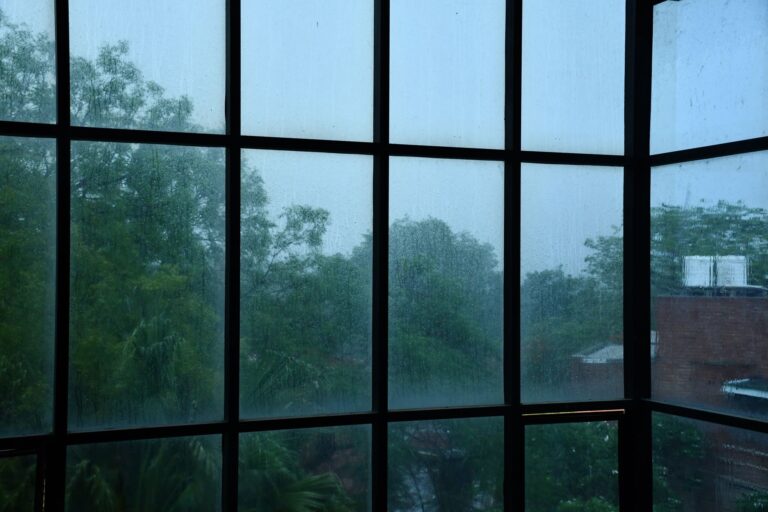
Photo by Darya Grey_Owl on Pexels
References
You might also like
- SpaceX astronaut launch: Quick update on Oct. 1 schedule
- India France UAE AI Partnership: Clear Benefits for Jobs and Startups
- Global South voice: Why it’s crucial yet ignored
About the Author


2 thoughts on “Deep Depression Weather: Worst Rain and Winds Expected”