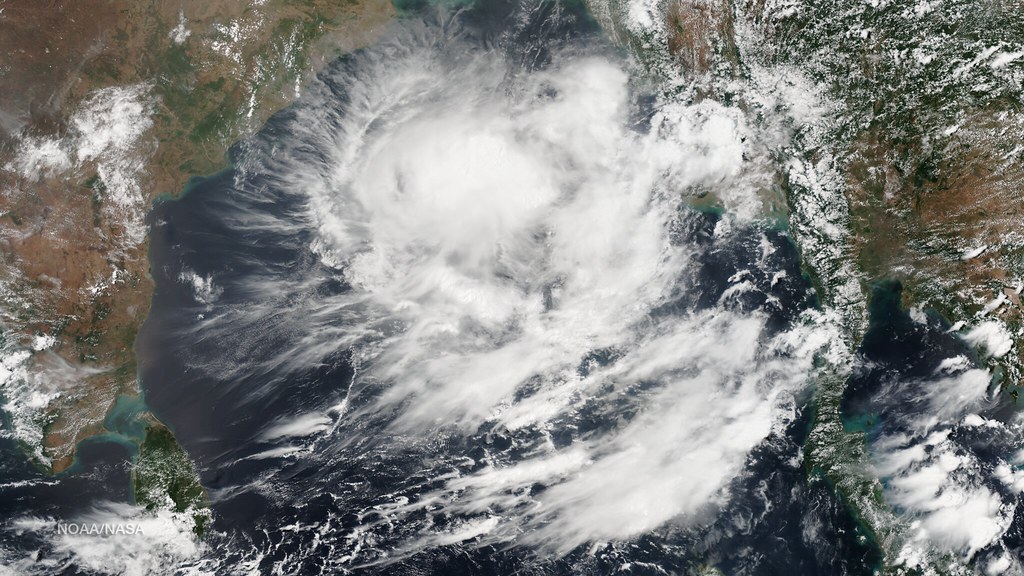
Bay of Bengal cyclonic storm is expected to intensify by October 26, prompting concerns for coastal regions. This development follows the formation of a depression over the Bay of Bengal, bringing potential impacts to weather patterns.
Current status of the depression
The current status of the depression in the Bay of Bengal indicates significant changes as meteorologists report its potential intensification into a cyclonic storm by October 26. The India Meteorological Department (IMD) has been closely monitoring the system, which is currently located about 600 kilometers from the Indian coastline.
Forecast models suggest that the depression is expected to strengthen over the next 48 hours, leading to increased rainfall and strong winds in coastal areas.
Key points regarding the Bay of Bengal cyclonic storm include:
- Location: Approximately 600 kilometers offshore.
- Expected Development: Likely to become a cyclonic storm by October 26.
- Impacts: Heavy rainfall and gusty winds in coastal regions.
Residents in affected areas are advised to stay updated on weather alerts and take necessary precautions.
Expected path of the storm
The expected path of the Bay of Bengal cyclonic storm indicates a significant shift in weather patterns that could impact several coastal regions. Meteorologists are closely monitoring the storm’s development as it intensifies. As of the latest updates, the storm is projected to follow a path that may lead it towards the eastern coastline of India.
Key areas that might experience severe weather include:
- Andhra Pradesh: Anticipated heavy rainfall and strong winds.
- Tamil Nadu: Possible disruptions and flooding due to rainfall.
- Odisha: Preparations underway for potential impacts.
Authorities are advising residents in these regions to stay informed and prepare for possible evacuations as the storm approaches. The situation remains fluid, and updates will be provided as more information becomes available.
Impact on coastal regions
The Bay of Bengal cyclonic storm is expected to bring significant impacts to coastal regions as it intensifies. Local authorities are on high alert, urging residents to prepare for potential severe weather conditions.
Key impacts anticipated in the coastal areas include:
- Heavy Rainfall: Widespread downpours could lead to flooding in low-lying areas.
- Strong Winds: Wind speeds may reach up to 120 km/h, causing damage to infrastructure and uprooting trees.
- Storm Surges: Coastal flooding is a major concern, particularly in vulnerable zones.
- Disruptions: Fishing and maritime activities will likely be halted, affecting local economies.
Residents are advised to stay tuned to weather updates and follow safety guidelines issued by authorities to mitigate risks associated with the impending storm.
Historical context of cyclones
The Bay of Bengal has a long history of cyclonic storms, which often develop during the monsoon season. These storms are influenced by the warm waters of the bay and atmospheric conditions that favor cyclogenesis.
Historically, the region has faced numerous devastating cyclones, leading to significant loss of life and property. Some notable cyclones include:
- 1991 Bangladesh cyclone: Claimed thousands of lives and caused widespread destruction.
- 2008 Nargis cyclone: Affected Myanmar severely, resulting in extensive humanitarian crises.
- 2013 Phailin: One of the strongest storms, impacting India’s Odisha state.
As the Bay of Bengal cyclonic storm develops, it is crucial to analyze these historical patterns to better predict the storm’s behavior and potential impacts on coastal communities.
Safety measures for residents
As the Bay of Bengal cyclonic storm approaches, it is crucial for residents in affected areas to take necessary safety measures. Authorities are urging communities to prepare for potential impacts by following these guidelines:
- Stay informed: Regularly check weather updates and alerts from local meteorological services.
- Emergency supplies: Stock up on essential items, including non-perishable food, water, medications, and first-aid kits.
- Secure property: Reinforce windows and doors, and remove any loose objects that could become projectiles in strong winds.
- Evacuation plans: Have a plan in place for safe evacuation if needed, and ensure all family members are aware of it.
- Communication: Keep mobile phones charged and have backup power sources for emergency contact.
Preparation is key to ensuring safety during the intensification of the storm.
By NASA Goddard Photo and Video via Openverse
Sources
You might also like
- Most Free States: What Are the Best Choices for Freedom?
- Rick Jackson Georgia: The Right Move for Trump’s Supporters?
- IDFC First Bank Q2 results: Best Proven Growth in Profit
About the Author



1 thought on “Bay of Bengal cyclonic storm: Quick update on intensification”