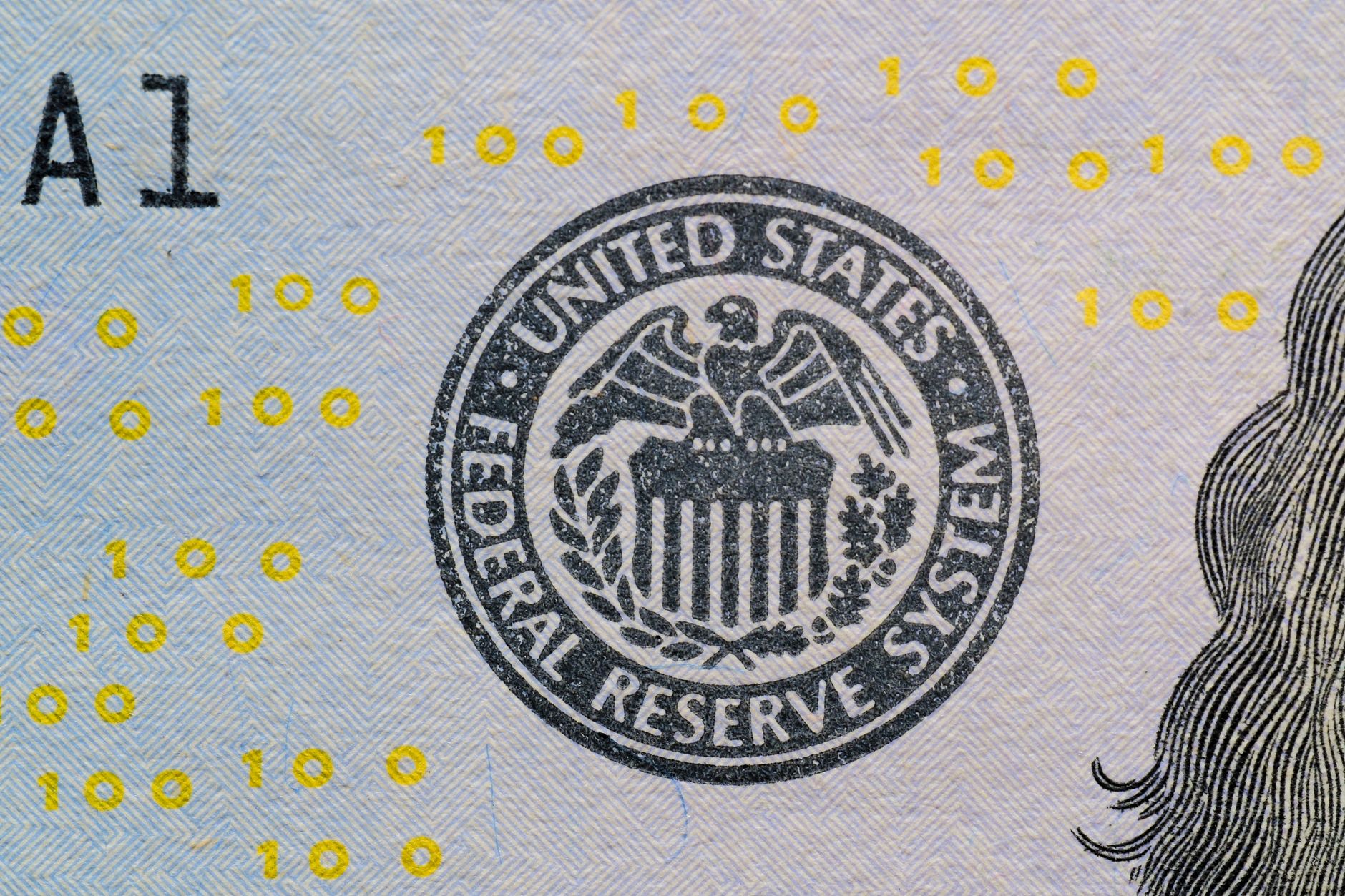
probe Federal Reserve reveals Trump’s latest strategy to investigate Governor Lisa Cook, raising questions about his intentions and the implications for the economy.
Understanding Trump’s Committee Formation
In a surprising political maneuver, former President Donald Trump has initiated the formation of a committee aimed at probing the Federal Reserve, specifically targeting Governor Lisa Cook. This move has raised eyebrows among economists and political analysts alike, as it signals a potential shift in how the Federal Reserve’s leadership is perceived and managed.
The committee’s establishment comes in the wake of growing concerns over monetary policy and its implications for the economy. By scrutinizing the actions of Federal Reserve officials, Trump aims to challenge the status quo and advocate for a more hawkish approach to inflation control. This strategy is likely intended to resonate with his base, which has been vocal about rising prices and economic uncertainty.
Key objectives of the committee include:
- Investigating policy decisions: Analyzing the impact of recent Federal Reserve actions on economic stability.
- Promoting accountability: Ensuring that Federal Reserve leaders are held responsible for their monetary policies.
- Advocating for changes: Proposing alterations in the governance structure of the Federal Reserve to align with Trump’s vision.
This development underscores Trump’s ongoing influence in American politics and his commitment to reshaping institutions he believes are misaligned with his economic philosophy.
Key Players in the Federal Reserve
The recent developments around the Federal Reserve have drawn attention to several key players involved in the ongoing probe. Understanding their roles is crucial to grasping the implications of Trump’s actions.
- Lisa Cook: As a governor of the Federal Reserve, Cook has faced scrutiny from Trump’s committee. Her policies and decisions are seen as pivotal in shaping the economic landscape, making her a focal point in the probe Federal Reserve efforts.
- Jerome Powell: The current Chairman of the Federal Reserve, Powell’s leadership has been the subject of both praise and criticism. His stance on interest rates and inflation control is under examination in light of the evolving economic conditions.
- Janet Yellen: Formerly the Chair of the Federal Reserve, Yellen’s influence continues to resonate in economic discussions. Her policies during her tenure are often referenced in debates regarding current monetary strategies.
- Economists and Analysts: A range of economists and market analysts are also key players in this situation. Their insights help frame public perception and inform the committee’s findings as they navigate the complexities of the Federal Reserve’s impact on the economy.
Each of these individuals contributes to the larger narrative surrounding the Federal Reserve and the motivations behind Trump’s probe.
The Impact of Investigating Lisa Cook
The decision to investigate Federal Reserve Governor Lisa Cook has prompted significant discussion among economists and political analysts. This probe by former President Trump aims to shed light on Cook’s policies and decisions, particularly her approach to inflation and interest rates.
Supporters of the investigation argue that examining Cook’s tenure is crucial for understanding her influence on the Federal Reserve’s monetary policy. They believe that a closer look at her decisions could reveal potential missteps that might have contributed to current economic challenges.
Critics, however, view this probe into the Federal Reserve as a politically motivated attack, aimed at undermining the independence of the central bank. They assert that targeting Cook specifically could have broader implications for the credibility of the Federal Reserve as an institution.
Some key points about the impact of this investigation include:
- Potential Repercussions: If the probe reveals serious flaws in Cook’s policy recommendations, it could lead to calls for her resignation or removal.
- Market Reactions: Investors may respond negatively to any uncertainty surrounding the Federal Reserve, which could exacerbate market volatility.
- Political Ramifications: This investigation might influence upcoming elections, as candidates take positions on the integrity of the Federal Reserve.
As the probe into the Federal Reserve continues, the implications for economic policy remain uncertain.
Public Reaction to Trump’s Move
The announcement of a committee to probe the Federal Reserve has sparked a wide range of reactions among the public and financial experts alike. Many view this move by former President Trump as a strategic attempt to undermine the central bank’s credibility, particularly targeting Governor Lisa Cook.
Supporters of Trump believe that his actions are necessary to hold the Federal Reserve accountable for its policies, which they argue have led to economic instability. They assert that the committee’s formation could shed light on perceived mismanagement and influence future monetary policy decisions.
On the other hand, critics express concern over the potential politicization of the Federal Reserve. They argue that such probes could undermine the independence of the institution, which is vital for maintaining trust in economic governance. Some economists warn that this could lead to increased volatility in financial markets as uncertainty looms over future policy directions.
Public opinion appears divided. A recent poll indicates that while a segment of the population supports efforts to investigate Federal Reserve policies, a significant number worry about the implications of involving politics in economic matters. As the committee’s work progresses, it remains to be seen how these public sentiments will evolve and what impact they may have on the broader economic landscape.
Historical Context of Federal Reserve Probes
The history of probing the Federal Reserve is as complex as the institution itself. Established in 1913, the Federal Reserve System was designed to provide the country with a safer, more flexible, and stable monetary and financial system. However, its operations have often been scrutinized, particularly during periods of economic uncertainty.
Throughout the decades, various administrations have launched investigations into the Federal Reserve’s policies and decisions. Notably, during the 1970s, public outcry regarding inflation led to significant political pressure on the Fed, prompting inquiries into its handling of monetary policy. These probes often reflect broader concerns about accountability and transparency in one of the most powerful financial institutions in the world.
The 2008 financial crisis also brought renewed scrutiny, with calls for investigations into the Fed’s role in the crisis and its aftermath. Critics argued that the Federal Reserve’s actions favored Wall Street over Main Street, raising questions about its transparency and the motives behind its decisions.
In recent years, the focus on probing the Federal Reserve has intensified, particularly with figures like former President Trump, who has frequently criticized its policies. As he establishes a committee to probe Federal Reserve Governor Lisa Cook, it is essential to consider how such actions fit within this historical context of seeking accountability from the central bank.
Future Implications for Economic Policy
The recent establishment of a committee to probe the Federal Reserve marks a significant shift in the landscape of economic policy and governance in the United States. As investigations unfold, the potential implications for future economic strategies are becoming increasingly apparent.
Firstly, the scrutiny of Federal Reserve officials could lead to a reevaluation of monetary policy decisions that have been in place for years. If the committee’s findings suggest that specific actions were misguided, this may prompt a reexamination of how the Fed operates, especially regarding interest rates and inflation control.
Secondly, the political ramifications cannot be understated. Such probes could foster a climate of distrust between the executive branch and the Federal Reserve, challenging the traditional independence of the institution. This could result in future administrations attempting to exert more influence over the Fed, potentially compromising its ability to make unbiased economic decisions.
Moreover, the public’s perception of the Federal Reserve may shift dramatically. If the probe uncovers discrepancies or misconduct, it could lead to calls for reform, transparency, and accountability within the Fed. Conversely, if the investigation is deemed politically motivated, it could erode trust in governmental institutions.
In summary, the ongoing probe of the Federal Reserve may not only impact current policy but could also shape the future of economic governance in the United States.
The decision to probe Federal Reserve has raised eyebrows among economists and political analysts alike. Many believe that this move is part of a larger strategy to influence monetary policy ahead of the upcoming elections.
Photo by Đào Thân on Pexels
Read the original
You might also like
- Apple stock falls: Worst Production Cuts for iPhone 18 Pro
- CyberTech Asia Mumbai: The Best Global Tech Event in India
- Indian stocks returns: Proven strategy for 40-50% growth
About the Author



2 thoughts on “Probe Federal Reserve: The Real Reasons Behind Trump’s Move”