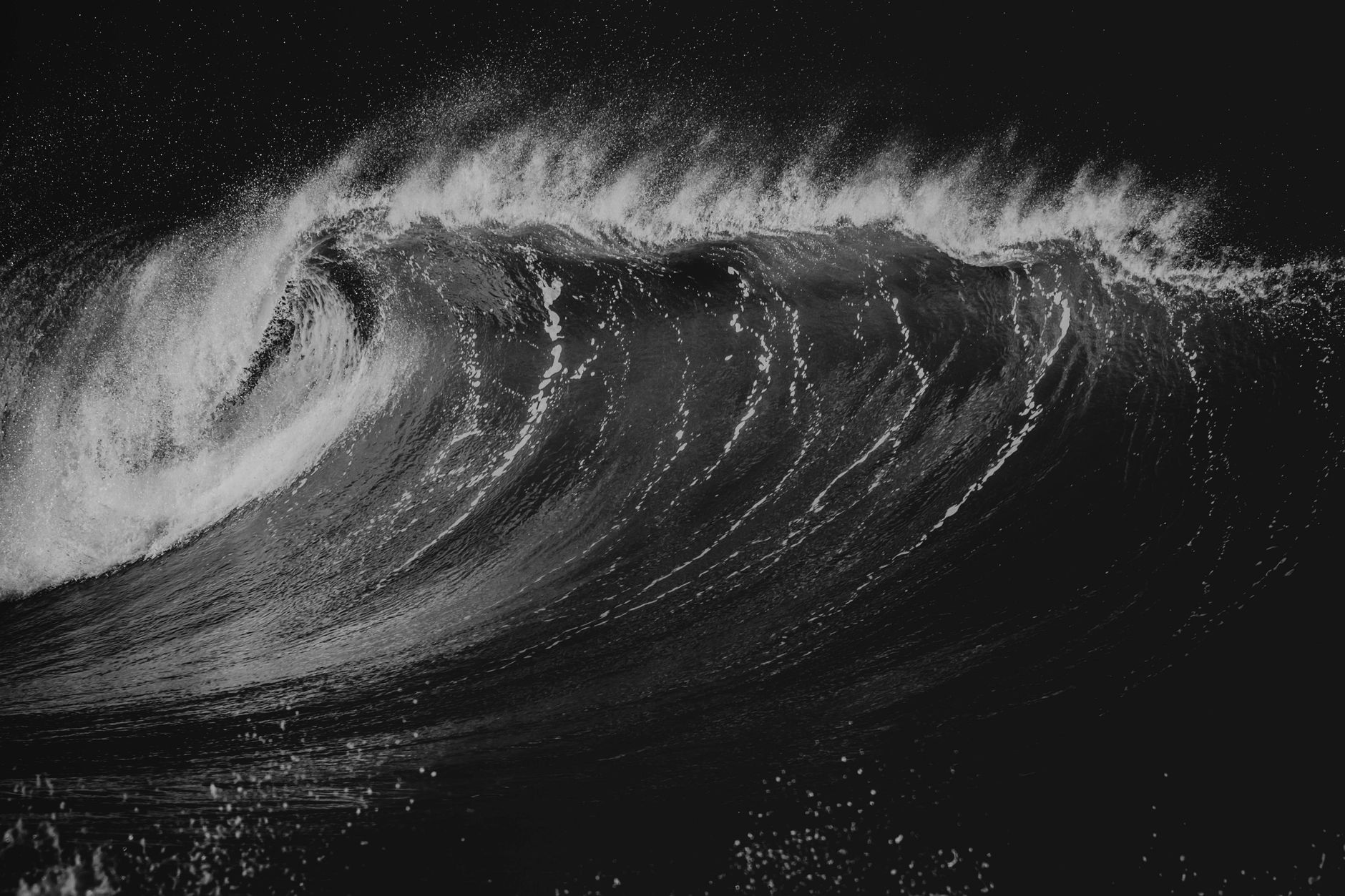
Tsunami alert Panama earthquake has raised concerns across multiple countries. Following the recent seismic activity, nations including Colombia, Costa Rica, and Mexico are on high alert for potential tsunami threats.
Understanding the Tsunami Alert
Following the recent earthquake in Panama, a tsunami alert has been issued, prompting concerns across several neighboring countries. Understanding the tsunami alert is crucial for ensuring safety and preparedness in the event of a natural disaster.
A tsunami is a series of ocean waves typically caused by seismic activities such as underwater earthquakes. It is important to recognize the warning signs and heed official alerts to mitigate risks. Key points to consider include:
- Stay Informed: Keep track of local news and updates from government authorities regarding the tsunami alert and safety recommendations.
- Evacuate if Necessary: If you are in a low-lying coastal area, evacuate to higher ground immediately if a tsunami warning is issued.
- Emergency Kits: Prepare an emergency kit with essential supplies, including food, water, medications, and important documents.
- Communication Plan: Establish a communication plan with family members to ensure everyone knows where to go and how to stay in touch.
By following these guidelines, individuals can better protect themselves during a tsunami alert after a Panama earthquake.
Impact of the Panama Earthquake
The recent earthquake in Panama has raised significant concerns regarding the potential for a tsunami alert in the region. The seismic event, measuring a magnitude of 7.0, struck off the coast, prompting immediate reactions from local authorities and neighboring countries.
The impact of the Panama earthquake was felt across several areas, leading to:
- Structural Damage: Numerous buildings reported damages, with some structures collapsing in the hardest-hit regions.
- Displacement: Many residents were forced to evacuate their homes, seeking safety in higher ground as a precaution.
- Emergency Services Response: Emergency services were deployed to assess the damage and provide assistance to affected communities.
In light of the tsunami alert following the earthquake, governments in Colombia, Costa Rica, Ecuador, and Mexico have also issued warnings. Authorities are advising residents to remain vigilant and heed safety instructions. Understanding the potential ramifications of such natural disasters is crucial for preparedness in the wake of a tsunami alert after the Panama earthquake.
Countries at Risk from Tsunami
Following the recent Panama earthquake, a tsunami alert has been issued, raising concerns for several nations along the Pacific coast. The following countries are considered at risk from a potential tsunami:
- Colombia – Coastal regions may experience dangerous wave activity.
- Costa Rica – Authorities are monitoring the situation closely.
- Ecuador – Evacuations may be necessary in vulnerable coastal areas.
- Mexico – Preparations are underway to safeguard affected communities.
- Peru – Alerts have been issued for its coastal regions.
- Chile – Residents have been advised to stay alert.
- Nicaragua – The government is assessing potential impacts.
- Honduras – Precautionary measures are being implemented.
As the tsunami alert following the Panama earthquake remains active, residents in these areas should stay informed and adhere to safety recommendations from local authorities.
Safety Measures to Take Now
In the wake of the recent tsunami alert following the Panama earthquake, it is crucial to prioritize safety. Residents and visitors in affected areas should take immediate action to ensure their well-being.
- Stay Informed: Keep updated with the latest news from reliable sources regarding the tsunami alert and earthquake developments.
- Evacuate if Necessary: If you are near the coast, evacuate to higher ground immediately. Follow local authorities’ guidance on evacuation routes.
- Prepare an Emergency Kit: Have essentials ready, including water, food, medications, and important documents.
- Stay Away from the Shore: Avoid the beach and coastal areas, as strong waves can occur even hours after the earthquake.
- Monitor Communication: Use your phone responsibly to stay connected but avoid overloading networks.
By following these safety measures, individuals can enhance their preparedness in response to the tsunami alert prompted by the Panama earthquake.
What to Expect in the Coming Days
In the aftermath of the recent Panama earthquake, residents and authorities are bracing for the potential effects of the tsunami alert. In the coming days, several key developments are expected as emergency services and geological experts assess the situation.
Firstly, monitoring of coastal areas will be intensified, with updates provided regularly through official channels. Communities in regions at risk are advised to remain vigilant and prepared for any sudden changes in the sea level.
Secondly, evacuation plans may be activated in vulnerable zones, especially as warnings extend to neighboring countries such as Colombia, Costa Rica, Ecuador, and Mexico. Residents should familiarize themselves with evacuation routes and designated safe areas.
Additionally, the government is likely to conduct briefings to keep the public informed about the status of the tsunami alert. Authorities will also emphasize the importance of staying away from coastal areas until the alert is lifted.
Ultimately, staying informed and prepared is crucial as the situation unfolds in the wake of the Panama earthquake.
In the aftermath of the tsunami alert Panama earthquake, it’s crucial to stay informed about safety procedures. Always have an emergency kit ready and know your evacuation routes in case of a tsunami alert Panama earthquake scenario.
Photo by lucas andreatta on Pexels
Where this came from
Related reading
- Probe Federal Reserve: The Real Reasons Behind Trump’s Move
- Apple stock falls: Worst Production Cuts for iPhone 18 Pro
- CyberTech Asia Mumbai: The Best Global Tech Event in India
About the Author


2 thoughts on “Tsunami Alert: Essential Safety Tips After Panama Earthquake”