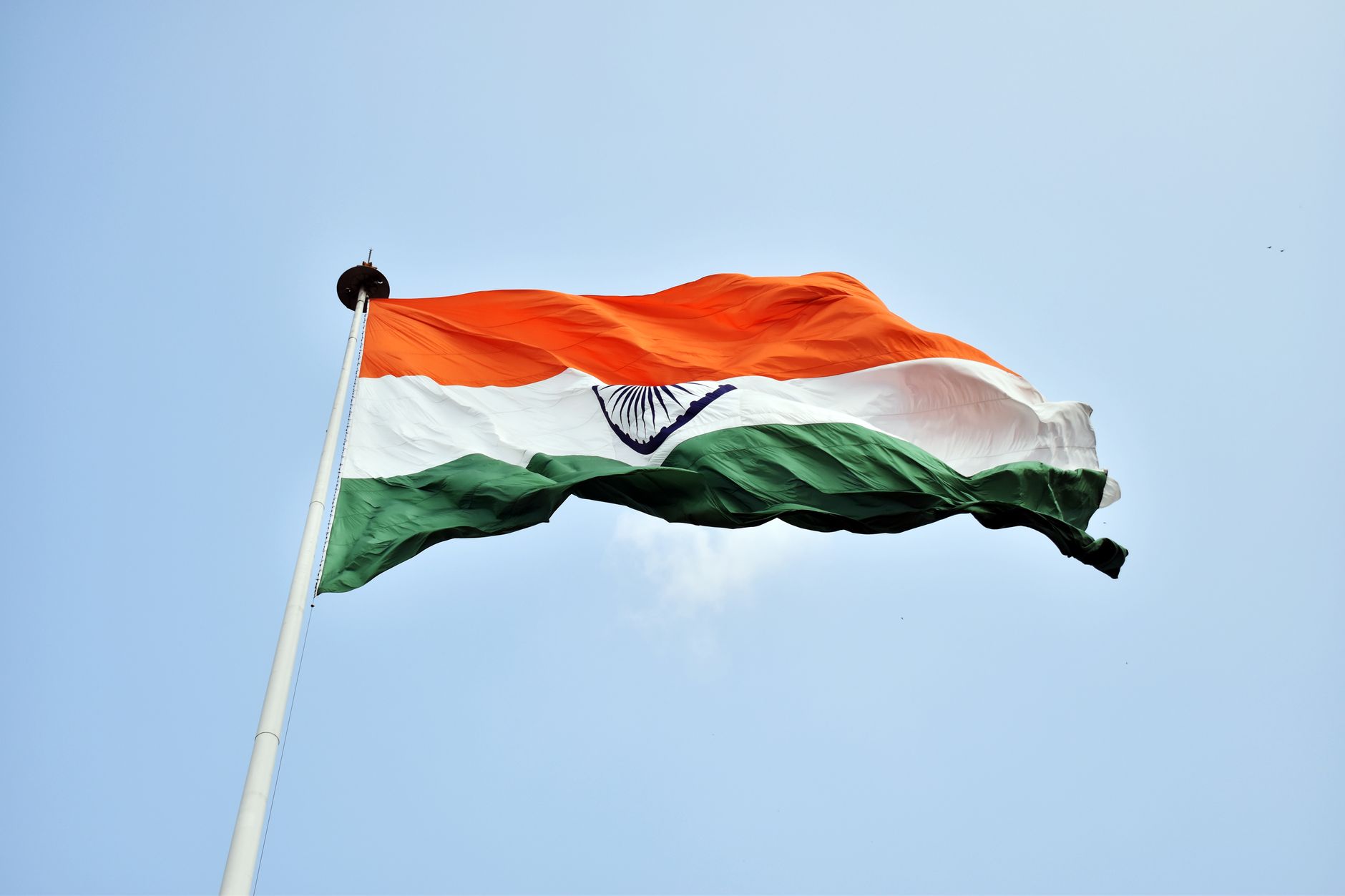
India is a free country, and recent statements by Kiren Rijiju highlight the significance of this freedom. This article delves into the current state of affairs in India and what it means for its citizens.
Understanding Freedom in India
As the debate surrounding the essence of freedom in India continues, it is essential to delve into what it truly means for a nation to be regarded as free. India is a free country, a sentiment echoed by various leaders and citizens alike. However, understanding the multifaceted nature of freedom involves examining various social, political, and economic dimensions.
Freedom in India encompasses several key elements:
- Political Freedom: Citizens have the right to vote, express their opinions, and participate in the democratic process.
- Social Freedom: Individuals have the liberty to practice their religion, speak their language, and celebrate their culture.
- Economic Freedom: The ability to engage in business, own property, and pursue one’s career choices without undue restrictions is a hallmark of a free society.
Despite these freedoms, there are challenges that arise, including issues of inequality, censorship, and social unrest. Recent statements by politicians, including Kiren Rijiju, emphasize the importance of recognizing India as a free country while acknowledging the areas that require attention and improvement. Ultimately, the perception of freedom in India will continue to evolve, influenced by the voices of its citizens and the actions of its leaders.
Kiren Rijiju’s Statement Explained
Recently, Kiren Rijiju, the Union Law Minister of India, emphasized that India is a free country during a public address. His statement has sparked discussions about the true nature of freedom in the country. Rijiju’s assertion comes at a time when various debates surrounding civil liberties and individual rights are prominent in the national discourse.
Rijiju highlighted several key points to support his statement:
- Constitutional Rights: He pointed out that the Constitution of India guarantees fundamental rights to every citizen, ensuring freedom of speech, expression, and movement.
- Diverse Society: The minister noted that India’s diversity is a testament to its freedom, where various cultures, religions, and languages coexist peacefully.
- Judicial Independence: Rijiju argued that an independent judiciary plays a crucial role in upholding the rights of individuals and maintaining the democratic fabric of the nation.
- International Comparisons: He also compared India’s freedom to that of other nations, suggesting that despite challenges, India stands as a beacon of liberty in the global context.
While Rijiju’s comments resonate with many, critics argue that issues such as censorship and human rights violations raise questions about the extent of freedom in India. Thus, the conversation about whether India is truly a free country continues.
The Historical Context of Freedom
The concept of freedom in India has evolved significantly since its independence in 1947. The country emerged from a long struggle against colonial rule, where leaders like Mahatma Gandhi and Jawaharlal Nehru emphasized the importance of self-determination and civil liberties. As a result, the Constitution of India, adopted in 1950, enshrined fundamental rights that guarantee individual freedoms and equality before the law.
However, the journey towards realizing these freedoms has been complex. Various challenges have shaped the landscape of liberty in India, including social inequalities, political unrest, and regional conflicts. While India is a free country, various groups have raised concerns over the protection of rights, particularly in the context of freedom of speech and expression.
In recent years, the government has faced criticism for its stance on dissent and opposition. Critics argue that certain laws and regulations may infringe upon the freedoms guaranteed by the Constitution. Nevertheless, India remains a vibrant democracy, where diverse voices coexist and the right to protest is exercised by many.
To fully understand the state of freedom in India, it is essential to consider this historical context, as it provides a foundation for assessing contemporary debates about civil liberties and the ongoing pursuit of a more equitable society.
Current Challenges to Freedom
While India is often celebrated as a free country, various challenges continue to test the limits of this freedom. These challenges can be categorized into several key areas:
- Political Freedom: Concerns about political dissent and freedom of speech have risen. Critics argue that certain laws are being misused to silence opposition voices.
- Media Freedom: Journalists face increasing pressures, with reports of censorship and threats that hinder their ability to report freely on issues affecting the nation.
- Social Freedoms: Issues such as discrimination based on caste, religion, and gender persist, which can limit the personal freedoms of many citizens.
- Judicial Independence: The integrity of the judiciary is crucial for protecting individual freedoms, yet allegations of political influence over judicial decisions raise concerns.
Despite these challenges, many citizens and organizations work tirelessly to uphold the principles of democracy and freedom. Activists advocate for greater transparency and accountability in government, emphasizing that India is a free country, but one that must continually strive to protect and enhance its freedoms for all its citizens.
Public Reactions to Rijiju’s Remarks
Public reactions to Kiren Rijiju’s remarks on India’s freedom have sparked a diverse range of opinions across social media platforms and news forums. Many citizens expressed their agreement, emphasizing that India is indeed a free country, where individuals enjoy the right to express their thoughts and opinions.
- Supporters of Rijiju’s statement argue that India has made significant strides in ensuring freedoms and rights for its citizens. They highlight the vibrant democratic processes and the active participation of the populace in governance as evidence of true freedom.
- Critics, however, point out ongoing challenges that undermine this freedom. Issues such as censorship, restrictions on dissent, and the treatment of marginalized groups have led some to question the extent of freedom in the country.
- Moreover, several activists emphasized that while India is a free country, continued vigilance is necessary to protect these freedoms. They argue that it is essential to remain alert to any erosions of rights that could occur.
- Overall, the debate surrounding Rijiju’s remarks reflects a broader discussion on what it means to be truly free in India today, with many calling for a deeper examination of both the achievements and the shortcomings related to freedom.
As the conversation unfolds, it becomes clear that the perception of freedom in India varies greatly, depending on individual experiences and perspectives within the diverse society.
Comparing Freedom Worldwide
As discussions about freedom continue to evolve, it is essential to compare India’s status with that of other nations. Although India is a free country, the nuances of freedom can differ significantly across the globe.
Various indices rank countries based on their levels of freedom, including political rights, civil liberties, and freedom of expression. The following list highlights how India stands in comparison:
- Political Rights: India has a robust democratic framework, allowing citizens to vote and express their opinions. However, challenges remain concerning political dissent and opposition suppression.
- Civil Liberties: While the Constitution guarantees freedoms, issues like censorship and surveillance have raised concerns over the extent of these liberties.
- Freedom of Expression: The media plays a crucial role in a free society. In India, while there is a vibrant press, journalists often face threats and intimidation, impacting their ability to report freely.
Comparatively, countries ranking higher in freedom indices often enjoy better protections for individual rights and a more vibrant civil society. Nevertheless, India’s unique tapestry of culture and democracy contributes to its claim as a nation of freedom, even amidst ongoing debates.
Future of Freedom in India
The future of freedom in India remains a topic of intense debate, especially in light of recent statements by prominent leaders. As India navigates its path forward, questions about the true extent of its freedom become increasingly pertinent. While many citizens assert that India is a free country, others point to various societal and governmental challenges that may threaten this freedom.
Looking ahead, several factors will play a crucial role in shaping the landscape of liberty in India:
- Political Climate: The current political environment can either bolster or hinder freedom. Active engagement from citizens is essential to ensure that democratic processes are upheld.
- Media Freedom: A robust and independent media is vital for a free society. Advocating for journalistic integrity will help safeguard the flow of information.
- Civil Rights Movements: Grassroots movements continue to champion various causes, highlighting the importance of collective action in preserving freedoms.
- Global Influence: As India interacts with the global community, international norms and pressures can influence domestic policies regarding human rights and freedoms.
Ultimately, the trajectory of freedom in India will depend on the collective will of its people and their commitment to uphold the values enshrined in the Constitution.
Many citizens believe that India is a free country, as they enjoy certain democratic rights and freedoms. However, ongoing debates about censorship and civil liberties raise questions about how truly India is a free country.
Photo by Amit Rai on Pexels
Where this came from
Related stories
Bangladesh ODI squad: Aliss included for mystery spin · Tsunami Alert: Essential Safety Tips After Panama Earthquake · Probe Federal Reserve: The Real Reasons Behind Trump’s Move
About the Author



2 thoughts on “Is India a Free Country? The Clear Truth Revealed”